What to Expect at a US Port of Entry: CBP Questions and Secondary Checks
A visa or ESTA lets you travel to the US, but a CBP officer decides whether you are admitted. Here is how the arrival inspection works and how to prepare.
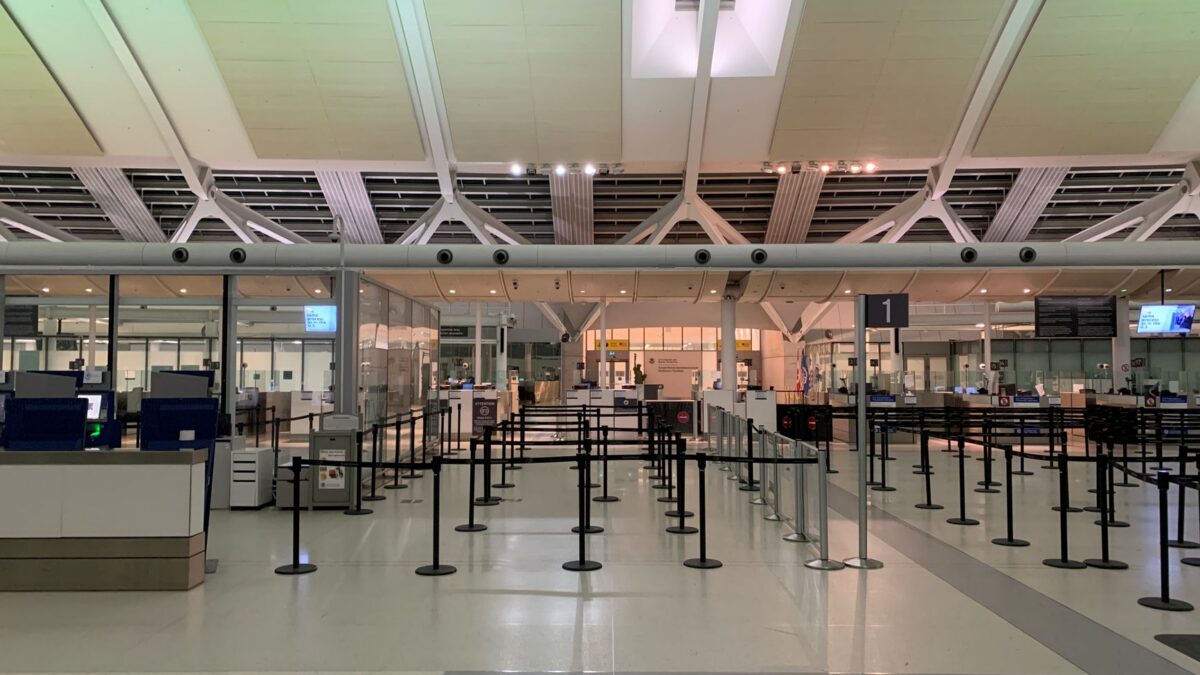
When you arrive in the United States by air, land or sea, a US Customs and Border Protection (CBP) officer checks your passport, asks about your trip and decides whether to admit you and for how long. A visa or an approved ESTA only allows you to travel to a US port of entry and ask for admission; it does not guarantee entry. For most travelers the inspection takes a few minutes, but being prepared makes it smoother.
Procedures change, so confirm current arrival rules on CBP’s travel pages before your trip.
The basic steps on arrival by air
- Follow signs to passport control. Airports separate lines for US citizens and permanent residents, visitors, and trusted traveler members such as Global Entry.
- Biometric check. Many airports now photograph travelers at the booth to match your face against your passport. Visitors may also have fingerprints scanned.
- Primary inspection. The CBP officer reviews your documents, asks a few questions and decides whether to admit you.
- Baggage claim and customs. You collect checked bags and pass through the customs exit, where agricultural items and declarable goods are checked.
- Connecting flights. If you connect onward, you usually re-check bags and go through TSA security again.
Documents to have ready
| Traveler | Have in hand | Useful to carry |
|---|---|---|
| US citizen | Valid US passport (or passport card at land and sea crossings from nearby countries) | Nothing else is normally needed |
| Green card holder | Green card and valid passport | Re-entry permit if you have been away a long time |
| ESTA visitor | The passport linked to your approved ESTA | Return ticket details, accommodation address |
| Visa holder (B1/B2 and others) | Valid passport with a valid visa, or old passport with the visa plus new passport | Return ticket, address in the US, invitation or conference details where relevant |
| Student or exchange visitor | Passport, visa, signed Form I-20 or DS-2019 | Proof of funds, SEVIS fee receipt |
Print or save offline copies of key documents. Phones die and airport Wi-Fi is not always reliable at the booth.
Questions CBP officers commonly ask
Questions are usually short and practical. They are meant to confirm that your purpose of travel matches your visa or ESTA and that you will leave on time. Typical questions include:
- What is the purpose of your trip?
- How long are you staying, and where?
- Who are you visiting, and what do they do?
- What do you do for work at home?
- Have you been to the United States before?
- Are you carrying food, cash over USD 10,000 or goods for someone else?
Answer truthfully and briefly. If your plans include something unusual, such as attending a job interview or a short course, say so plainly; activities have to fit your visa category or the Visa Waiver Program. Misrepresenting the purpose of your trip can lead to refusal of entry and long-term consequences for future travel.
Faster lanes: Mobile Passport Control and Global Entry
Mobile Passport Control (MPC)
Mobile Passport Control is a free CBP app that lets eligible travelers submit their passport details and a photo on arrival and use a dedicated lane. According to CBP, it is available to US citizens, lawful permanent residents, Canadian B1/B2 visitors and returning Visa Waiver Program travelers with an approved ESTA, at participating airports, seaports and preclearance locations. It does not replace your passport; you still show it to the officer. Check CBP’s list of participating locations before relying on it.
Global Entry
Global Entry is a CBP trusted traveler program for pre-approved, low-risk travelers. Members use facial biometrics at dedicated kiosks or touchless lanes and usually skip the main queue. You apply online through the official Trusted Traveler Programs site, pass a background check and attend an interview. The application fee was raised to USD 120 for a five-year membership in October 2024; confirm the current amount on the official site. Global Entry is open to US citizens, green card holders and citizens of a limited list of partner countries.
Your I-94 admission record
When you are admitted as a visitor, CBP creates an electronic I-94 record that shows your class of admission and the date by which you must leave. For air and sea arrivals it is created automatically; at land borders there is a separate fee. Check your I-94 online a day or two after arrival and make sure the dates are right. Our guide on how long you can stay on a tourist visa explains how to read it.
What secondary inspection means
Sometimes the primary officer sends a traveler to secondary inspection, a separate area where another officer has more time to review the case. This happens for many reasons: a name match that needs checking, a question about your visa category, previous immigration history, random selection, or customs items. Being sent to secondary is not an accusation in itself.
In secondary you may wait for some time, be asked more detailed questions and have bags examined. CBP has legal authority to inspect luggage and, under its published policy, electronic devices at the border. Stay calm, be honest and ask if you need to contact someone waiting for you.
Possible outcomes include admission (the most common), admission for a shorter period, being allowed to withdraw your application for admission and return home, or refusal of entry. Visa Waiver Program travelers who are refused have very limited options to contest the decision at the border. If you have a complicated history, such as a previous overstay or an arrest, it is sensible to resolve it before traveling, often by applying for a visa rather than an ESTA. See ESTA vs the B1/B2 visa for when a visa is required.
Customs and agriculture
Every traveler must declare certain items, including meat, fruit, plants, soil and currency or monetary instruments over USD 10,000 in total. Declaring an item is not an offense; failing to declare can lead to fines. If in doubt, declare it and let the officer decide.
Bottom line
A CBP inspection is usually a short conversation: show the right documents, explain your trip honestly and know where you are staying. Use Mobile Passport Control or Global Entry if you are eligible, check your I-94 after arrival, and confirm current procedures on CBP’s official site before you travel.
FAQ
Can CBP refuse me entry even with a valid visa?
Yes. A visa allows you to request admission, and the CBP officer at the port of entry makes the final decision based on your documents and answers.
Do I need to print my ESTA approval?
No. ESTA is linked electronically to your passport. Many travelers keep a screenshot of the approval page for their own records.
Is Mobile Passport Control the same as Global Entry?
No. MPC is a free app that requires no pre-approval, while Global Entry is a paid membership program with a background check and interview.
How long does secondary inspection take?
It varies from a few minutes to several hours, depending on the reason and how busy the port is. Allow extra time for connections when you can.