Schengen Travel Insurance Requirements: The €30,000 Rule Explained
Who must buy Schengen-compliant insurance, the minimum conditions a policy has to meet, what the certificate should say, and why visa-free travelers should still think about cover.
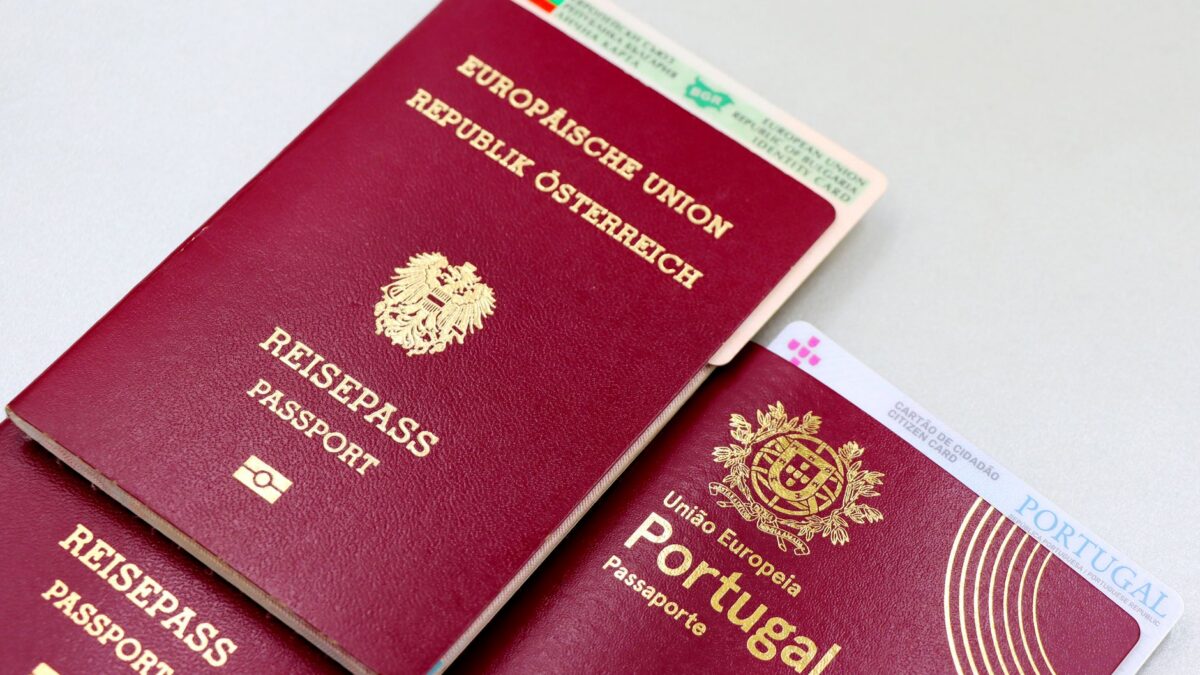
If you apply for a short-stay Schengen visa, you must show travel medical insurance with at least €30,000 of cover that is valid in all Schengen countries for the entire stay and covers emergency treatment, hospital care and repatriation, including for medical reasons or death. U.S. citizens and other visa-exempt visitors are not required to show such a policy at the border, although carrying medical cover is still strongly advisable.
Consulates can add practical requirements, so always check the checklist of the consulate you are applying to.
Where the rule comes from
The requirement is set in the EU Visa Code, the regulation that governs short-stay Schengen visas. It applies to uniform (type C) visas for stays of up to 90 days and to airport transit visas in some cases. National long-stay visas have their own insurance rules set by each country.
Minimum conditions a policy must meet
| Condition | What it means in practice |
|---|---|
| Minimum cover €30,000 | The medical limit must be at least €30,000 (or the equivalent in another currency) |
| Valid in all Schengen states | Not only your main destination; the policy should name the Schengen area or Europe |
| Whole duration of stay | From your first day in the area to the last; for multiple-entry visas, usually the first planned trip |
| Emergency medical and hospital care | Treatment of sudden illness and accidents |
| Repatriation | Return home for medical reasons, and repatriation of remains in case of death |
Insurance should in principle be bought in your country of residence. If that is impossible, the Visa Code allows a policy bought elsewhere. Many consulates also prefer policies with no deductible or a low one, and some list insurers they accept; check before you buy.
What the certificate should show
Consulates check the document, not the marketing page. A clear insurance certificate usually includes:
- the insured person’s full name, as in the passport;
- the policy number and the insurer’s name and contact details;
- the exact start and end dates;
- the geographic scope (Schengen area or a wider Europe region);
- the medical cover limit, stated as at least €30,000;
- explicit mention of repatriation and emergency hospital treatment.
Some insurers issue a “Schengen visa certificate” that lists these points on one page. Keep a printed copy for the appointment and a digital copy for the trip.
Who is exempt
The Visa Code allows some exceptions. Holders of diplomatic passports can be exempt, and consulates can waive the requirement in limited cases where adequate cover can be presumed from the applicant’s professional situation. Family members of EU citizens who benefit from EU free movement rules are generally not required to show travel insurance. If you think an exemption applies, confirm it with the consulate before your appointment rather than assuming.
Multiple-entry visas
For a multiple-entry visa, applicants generally need cover for the first intended trip and must sign a declaration on the application form that they will hold adequate insurance on later trips. Annual multi-trip policies are often a practical option for frequent travelers; check that they meet the €30,000 and repatriation conditions for each trip.
Common reasons insurance is rejected
- Dates that do not match the itinerary, for example a policy starting the day after arrival.
- Coverage limited to one country instead of the whole Schengen area.
- Cover below €30,000, or a limit stated in a currency that falls short after conversion.
- Credit card coverage without a certificate. Card benefits may not meet the conditions or may be hard to document in the required form.
- Missing repatriation cover, or a policy that excludes it.
- Trip cancellation-only policies that do not include medical treatment.
Visa-exempt travelers: still a good idea
U.S. citizens do not need to show insurance for visa-free entry. However, medical care in Europe for non-residents can be costly, and evacuation home is very expensive. Original Medicare generally does not cover care outside the United States, and many U.S. health plans have limited coverage abroad. Our guide to travel medical vs trip cancellation insurance explains which cover does what, and Schengen visa insurance goes deeper into certificate wording.
Checklist before you buy
- Confirm your exact entry and exit dates.
- Check the consulate’s insurance page for extra conditions (deductibles, accepted insurers, language).
- Choose a policy with at least €30,000 medical cover valid in all Schengen countries.
- Make sure repatriation for medical reasons and in case of death is included.
- Read pre-existing condition and adventure sports exclusions if they apply to you.
- Download the certificate and check names and dates against your passport and bookings.
See the full list of papers in our Schengen visa document checklist.
Bottom line
For a Schengen visa, the policy must cover at least €30,000, apply in every Schengen country for every day of the trip, and include emergency care and repatriation. A clear certificate matters as much as the policy. Confirm requirements with your consulate and the EU’s official visa policy pages before you apply.
FAQ
Do U.S. citizens need Schengen travel insurance?
Not to enter visa-free. Insurance is a visa requirement, not an entry condition for visa-exempt visitors, though it is wise to have medical cover.
Can I use my credit card’s travel insurance for a visa?
Only if it meets all conditions and you can get a certificate showing them. Many applicants buy a dedicated policy to avoid problems.
Do I need insurance for children on the application?
Yes. Every applicant, including minors, needs to be covered, either individually or on a family policy that names them.
Will insurance be refunded if my visa is refused?
That depends on the insurer. Many offer cancellation if the visa is refused, sometimes against a copy of the refusal letter. Check the terms before you buy.