The EU Entry/Exit System (EES): What Changes at Schengen Borders
Passport stamps are gone for most non-EU visitors. Here is how the biometric Entry/Exit System works, who it applies to and how to prepare for your first crossing.
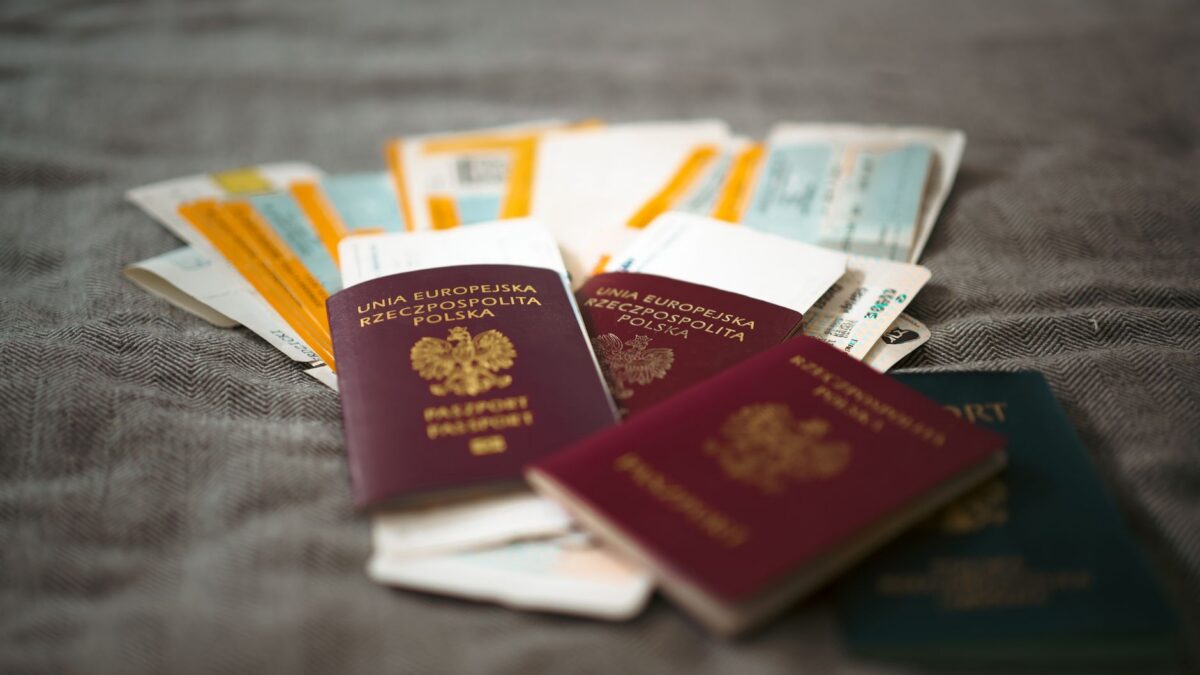
The Entry/Exit System (EES) is the EU’s digital border register for non-EU travelers on short stays. It began a phased rollout on October 12, 2025 and has been fully operational since April 10, 2026: on your first entry, border staff or a kiosk take your fingerprints and a facial image, and from then on every entry and exit is recorded electronically instead of being stamped in your passport.
There is no application and no fee. Confirm current details on the EU’s official EES page before you travel, as airports and land borders continue to adjust procedures.
Who has to register
EES applies to non-EU nationals traveling for a short stay (up to 90 days in any 180-day period) in the participating countries, whether they are visa-exempt or hold a short-stay Schengen visa. That includes:
- U.S., Canadian, British and Australian citizens visiting as tourists or for business;
- travelers who hold a Schengen visa, such as Indian or Chinese passport holders.
It does not apply to EU citizens and citizens of Iceland, Liechtenstein, Norway and Switzerland, to non-EU family members of EU citizens who hold a residence card, or to people holding a residence permit or long-stay visa from a participating country. Those groups continue to be checked as before.
Where it is used
EES runs at the external borders of the Schengen countries. It does not operate in Ireland or Cyprus. You register once, at whichever external border you first enter, and the record is shared across all participating countries. Our list of Schengen countries shows where it applies.
What happens at your first crossing
- Passport scan. Your passport is read at a booth or self-service kiosk.
- Biometrics. A facial image is taken, and four fingerprints are scanned. Children under 12 give only a facial image.
- Questions. You may be asked about your stay, accommodation, return ticket and funds, as at any border.
- Officer check. A border guard confirms the data and decides on entry.
- Record created. Your entry date and place are stored in your EES file.
On later trips, the system confirms your identity with your face or fingerprints, which should be faster. Leaving also counts: your exit is recorded, closing the stay.
What EES records and for how long
| Data | Details |
|---|---|
| Identity | Name, nationality, date of birth, passport details |
| Biometrics | Facial image; fingerprints for travelers aged 12 and over |
| Movements | Date and place of each entry and exit |
| Refusals | Any refusal of entry and its reason |
| Retention | Generally three years; longer (five years) if no exit is recorded |
The data protection rules give you the right to request access to your record and correction of mistakes through the authorities of the participating country concerned.
EES and the 90/180-day rule
The biggest practical change is that the system calculates your remaining days automatically. Without stamps, there is no longer any ambiguity about when you entered or left. If you stay beyond the 90 days allowed, the overstay is recorded and flagged to border authorities and consulates, which can affect future trips and visa applications. Learn how to count your days in our guide to the 90/180-day rule. The EU’s official site also offers a short-stay calculator.
Land borders, ferries and cruise ports
EES applies at every type of external border, not only airports. At land crossings and ferry ports, registration may happen at booths, kiosks or with mobile equipment, and each passenger in a car or coach may need to be registered individually on the first crossing. That can add time at busy crossings, such as ferry terminals serving routes from the UK or road borders with non-Schengen Balkan countries. On cruises, procedures vary by port. If you are driving or taking a coach, check the operator’s guidance and plan for longer waits during holiday periods.
How EES relates to ETIAS
EES and ETIAS are different. EES is the border register you encounter on arrival. ETIAS is a future online authorization for visa-exempt travelers that you will apply for before travel. As of October 2026, EES is running and ETIAS is not.
Tips for a smoother crossing
- Allow extra time, especially on your first entry and at busy airports or ferry ports. Long queues were reported in the first weeks of full operation.
- Keep connections generous when your first Schengen airport is also a transfer point.
- Remove hats and glasses for the facial image, and follow kiosk instructions.
- Have your documents ready: accommodation details, return ticket and, if asked, proof of funds or insurance.
- Use the same passport you registered with when possible. A new passport will be linked to your record.
EES needs no pre-registration. Ignore any website that offers to “register you for EES” for a fee.
Bottom line
If you are a non-EU short-stay visitor, expect to give fingerprints and a photo once, then cross with digital records rather than stamps. It is free and automatic, and it makes the 90/180-day limit strictly enforced. Check the EU’s official EES page for current information before your trip.
FAQ
Do U.S. citizens have to register in EES?
Yes, if they enter the Schengen area for a short stay. Registration happens at the border on the first entry.
Will my passport still be stamped?
For travelers covered by EES, stamping has been replaced by digital records. Officers may still stamp in exceptional situations.
Do I need to register again on every trip?
No. You register once, and later crossings verify your identity against the stored data, until the record expires.
Can I refuse to give fingerprints?
Providing biometrics is mandatory for those covered by EES. Refusing can lead to refusal of entry.