UK Visitor Visa for Indian Citizens: Documents, Fees and Timing
How Indian passport holders apply for a UK Standard Visitor visa, what documents decision-makers look at, and how long it takes.
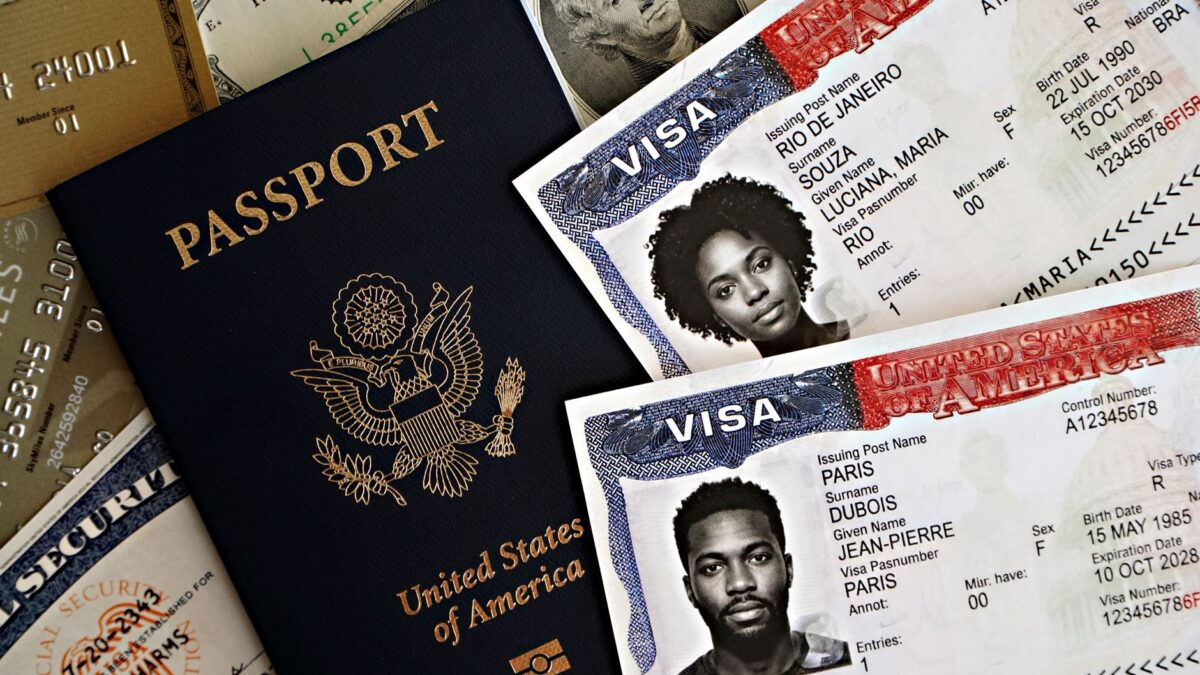
Yes. Indian passport holders need a UK Standard Visitor visa for tourism, family visits or short business trips. You apply online on GOV.UK and then attend a biometrics appointment at a visa application centre in India. As of October 2026 the fee for a visa of up to six months is £135, and a decision usually takes about three weeks after your appointment.
This guide explains the documents, the appointment and the timing. Fees and rules change, so check the official Standard Visitor page on GOV.UK before you apply.
Who needs a UK visitor visa
India is not on the list of countries that can use the UK Electronic Travel Authorisation (ETA). That means an Indian citizen travelling for tourism, to see relatives, to attend a conference or for a short business meeting needs a visitor visa before travelling. If you hold another nationality as well, the passport you travel on decides which rule applies.
A Standard Visitor visa does not allow you to work for a UK employer, take a job, receive public funds or live in the UK through repeated visits. Studying for up to six months is possible under visitor rules in limited cases, but anything longer needs a student visa. If you are not sure which category fits your trip, read our overview of the UK Standard Visitor visa before applying.
Fees as of October 2026
The UK raised its immigration fees on 8 April 2026. The current Home Office charges for visitors are:
| Visa | Fee (GBP) | Stay per visit |
|---|---|---|
| Standard Visitor, up to 6 months | £135 | Up to 6 months |
| Long-term visit visa, 2 years | £506 | Up to 6 months |
| Long-term visit visa, 5 years | £903 | Up to 6 months |
| Long-term visit visa, 10 years | £1,128 | Up to 6 months |
| Priority decision (add-on) | +£500 | Usually about 5 working days |
| Super priority decision (add-on) | +£1,000 | Usually by end of next working day |
You pay the fee in pounds or the rupee equivalent set by the Home Office, which is updated periodically and can differ from the market rate. The visa application centre may also charge separately for optional services such as premium lounges, document scanning or courier return. Those extras do not improve your chances of approval. Priority services are not available at every location or for every visa type, so check the GOV.UK page on faster decisions when you apply.
A long-term visit visa still limits each stay to six months. It suits people who visit family several times a year and have a history of following visa conditions. A refusal for a long-term visa does not come with a partial refund, so many first-time applicants start with the standard six-month visa.
How to apply step by step
- Check timing. You can apply up to three months before your travel date. Apply as early as that window allows, especially for summer and the December holidays.
- Complete the online form on GOV.UK. You answer questions about your identity, travel history, employment, income, trip cost, where you will stay and any past refusals or criminal convictions. Answer accurately and consistently with your documents.
- Pay the visa fee and any priority service you choose.
- Book an appointment at a UK visa application centre in India. The UK’s commercial partner in India is VFS Global, which runs centres in major cities. You choose a centre during the online process.
- Upload or bring your supporting documents. Depending on the centre, you either upload scans before the appointment or have them scanned on the day.
- Attend the biometrics appointment. Your fingerprints and photo are taken. There is normally no interview, although UK Visas and Immigration can ask for one.
- Wait for the decision. The standard target is about three weeks from the appointment, though peak months can be slower. You will receive an email when a decision has been made and instructions on collecting your passport or accessing your visa.
Document checklist
There is no single fixed list, because the officer looks at your circumstances as a whole. GOV.UK asks for a valid passport and information about your travel dates, accommodation, trip cost, home address and income. In practice, applicants usually provide:
| Document | Why it matters |
|---|---|
| Current passport and old passports | Identity and travel history |
| Bank statements (often the last 6 months) | Shows you can pay for the trip; large unexplained deposits raise questions |
| Employment letter, salary slips or business registration | Shows a reason to return to India |
| Income tax returns (ITR) | Supports declared income |
| Travel plan and accommodation details | Shows the purpose and length of the visit |
| Invitation letter and host documents (if visiting family or friends) | Explains who you are visiting and where you will stay |
| Sponsor’s financial documents (if someone else pays) | Shows the sponsor can cover costs |
| Certified translations | Required for any document not in English or Welsh |
A TB test certificate is only required if you plan to stay in the UK for more than six months, which is not the case for a standard visitor visa. Do not buy non-refundable flights before you have a decision. A flight reservation or itinerary is usually enough to show your plans.
What decision-makers look for
Officers decide whether you are a genuine visitor who will leave at the end of the visit, will not work, and can afford the trip without public funds. Common weak points in refused applications include:
- Funds that appear suddenly before the application without an explanation.
- A trip cost that does not match your income.
- Inconsistent dates, addresses or employment details between the form and documents.
- Not declaring a previous refusal from the UK or another country.
- A vague purpose, such as no clear plan for a six-month stay.
Honesty matters more than volume. Deception, such as false documents or hiding a refusal, can lead to a ban on future applications.
Photos and appointments
Your photo is taken at the appointment, so you do not need to bring prints. Arrive with your appointment confirmation, passport and documents in the order the centre asks for. Our guide to visa photo requirements by country compares the rules if you are also applying for other visas.
Use only GOV.UK and the official application centre booking site linked from it. Social media agents who promise guaranteed approval or “urgent slots” for a fee are a common scam; see our guide to avoiding visa scams.
Travelling on to Europe
A UK visa does not let you enter the Schengen area, and a Schengen visa does not cover the UK. If your trip includes France, Italy or other Schengen countries, you need a separate application. See our guide to the Schengen visa for Indian citizens.
Bottom line
Indian citizens need a Standard Visitor visa for short UK trips. Apply on GOV.UK up to three months ahead, budget £135 for a six-month visa as of October 2026, and allow about three weeks after your biometrics appointment. Clear, consistent documents showing funds and ties to India matter more than extra paperwork. Confirm fees and requirements on GOV.UK before you apply.
FAQ
Can I use the UK ETA with an Indian passport?
No. As of October 2026 India is not an ETA-eligible country, so Indian passport holders need a visitor visa for short trips.
How early should I apply?
You can apply up to three months before travel. Applying early in that window gives you time if the centre is busy or extra documents are requested.
Is there an interview?
Usually not. Most applicants only give biometrics, but UK Visas and Immigration can call you for an interview if it needs more information.
Can I reapply after a refusal?
Yes, there is generally no waiting period, but the refusal letter explains the reasons. A new application should address those reasons with accurate evidence, and you must declare the previous refusal.