Using Credit Cards Abroad: Fees, Currency Conversion and Cash
Paying by card abroad is usually easy. The money is lost in the details: foreign transaction fees, poor conversion rates offered at the terminal, and ATM charges.
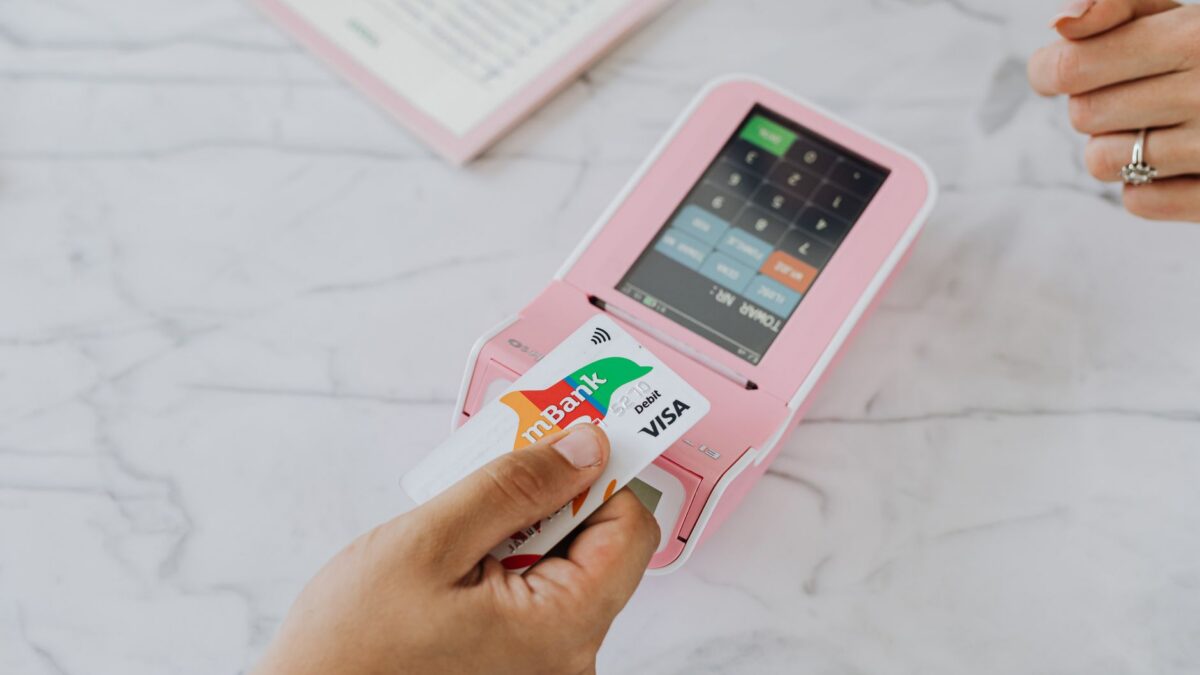
Credit cards work well in most countries, but two things quietly raise costs: foreign transaction fees and dynamic currency conversion. Many U.S. cards charge a percentage on every purchase processed abroad, and card terminals or ATMs often offer to charge you in dollars at a worse exchange rate. The simple rules are to use a card without foreign transaction fees if you have one, always choose to pay in the local currency, and carry a small amount of cash as backup.
This is general information, not financial advice. Check your card’s own terms, and review U.S. government consumer resources such as the Consumer Financial Protection Bureau if you have questions about card fees or disputes.
Foreign transaction fees
A foreign transaction fee is a charge your card issuer adds to purchases made in a foreign currency, or processed by a bank outside the U.S. even if priced in dollars. It is usually a percentage of each transaction. Many travel-oriented credit cards do not charge it; many standard cards and most debit cards do.
- Find the fee in your cardholder agreement or pricing table, usually labeled “foreign transaction fee.”
- The fee can apply to online purchases from foreign merchants even if you are at home.
- On a long trip, even a small percentage adds up across every meal, hotel and train ticket.
Dynamic currency conversion: always pay in local currency
Dynamic currency conversion (DCC) is when a terminal, website or ATM offers to charge you in your home currency instead of the local one. It sounds convenient but generally means the merchant or ATM operator sets the exchange rate, which is usually worse than your card network’s rate, often with an extra margin built in.
What it looks like:
- A card terminal screen asking “Pay in USD or EUR?”
- An ATM offering a “guaranteed” conversion rate.
- A receipt showing both currencies and a conversion rate.
Choose the local currency (for example, euros in Italy or yen in Japan). Your card network then converts the amount. In the European Union, rules require that currency conversion charges be disclosed before you accept, which can help you compare. If a merchant converts without asking, you can ask them to redo the transaction in local currency before signing.
Cash and ATMs
Cash is still useful for small shops, markets, tips, rural areas and some transport. Ways to get it:
- Withdraw from a bank ATM on arrival. Bank-operated ATMs are often more transparent than standalone machines in tourist areas.
- Decline the ATM’s conversion offer and choose to be charged in local currency.
- Know your bank’s fees. Your bank may charge a foreign ATM fee and a foreign transaction fee; the local ATM may add its own access fee.
- Withdraw larger amounts less often if fees are per transaction, while keeping safety in mind.
- Avoid credit card cash advances. They usually carry fees and interest from the day you withdraw.
Airport currency exchange counters often have wide spreads. If you want some cash before landing, compare your bank’s rates or withdraw a small amount on arrival.
Before you leave
| Task | Why it matters |
|---|---|
| Check foreign transaction fees on each card | Decide which card to use for most purchases |
| Confirm your card works internationally | Some issuers ask you to set travel notices; others use automatic fraud monitoring |
| Bring two cards from different networks | Backup if one is declined, lost or not accepted |
| Save your issuer’s international phone number | The number on the card may not work from abroad |
| Check your PIN | Some terminals and ATMs need a PIN even for credit cards |
| Set up mobile wallet | Contactless phone payments are widely accepted in many countries |
If verification codes come by text, make sure you can receive them abroad. Our guide to choosing an eSIM for international travel explains how to keep your home number active for texts while using local data.
Security abroad
- Keep your card in sight when paying, especially in restaurants.
- Use ATMs inside banks or in well-lit areas, and cover the keypad.
- Turn on transaction alerts in your banking app.
- Keep one card and some cash separate from your wallet.
- If a card is lost or stolen, lock it in your app and call the issuer immediately.
Card benefits that relate to travel
Some cards include trip delay, cancellation, baggage or rental car cover when you pay with the card. These benefits vary and usually exclude or limit medical cover abroad. Read the guide to benefits before relying on it. For more on what card cover does and does not include, see Do I need travel insurance?
Bottom line
Use a card without foreign transaction fees where possible, always pay in local currency rather than accepting conversion at the terminal or ATM, and keep a modest amount of cash plus a backup card. These steps avoid most unnecessary costs. Check your own card terms before you travel, since fees and benefits differ widely by issuer.
FAQ
Should I pay in dollars or local currency abroad?
Local currency. Paying in dollars usually means accepting the merchant’s or ATM’s exchange rate, which is generally less favorable.
Do I need to tell my bank I am traveling?
It depends on the issuer. Some still offer travel notices; others rely on automated fraud detection. Check your app or call before you leave.
Is it better to use a debit or credit card abroad?
Credit cards often offer stronger fraud protection for purchases, while debit cards are typically used for ATM cash. Compare fees on both.
Are contactless and mobile payments accepted abroad?
In many countries, yes, including much of Europe. Acceptance varies by country and merchant, so carry a physical card and some cash.