Visa on Arrival vs E-Visa: What Is the Difference?
Both let you skip the embassy, but they work differently. Here is how visas on arrival and e-visas compare, and how to avoid paying a middleman.
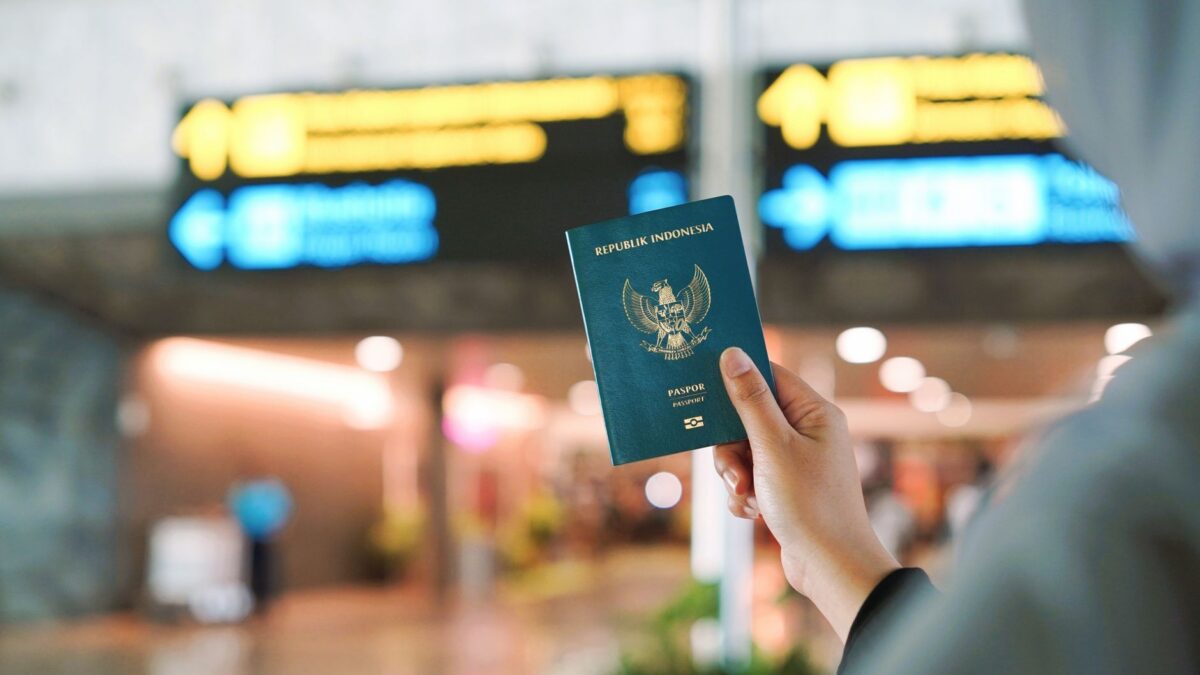
A visa on arrival (VOA) is issued at the airport or border when you land, after you pay a fee and answer an officer’s questions. An e-visa is applied for and approved online before you travel, and you show the approval when you arrive. E-visas give you certainty before you leave home; a visa on arrival is simpler to plan but can mean queues and cash payments. Some countries now offer both, including an online version of the visa on arrival.
Fees and processes change frequently, so check the destination’s official government site before you travel.
How they compare
| Visa on arrival | E-visa | |
|---|---|---|
| When you apply | At the border, on arrival | Online, before travel |
| Approval | Decided at the counter | Known before you fly |
| Payment | Often cash or card at the airport | Card online |
| Waiting | Queues at busy airports | Processing time before travel |
| Where it works | Usually specific airports or crossings | Usually specified ports of entry |
| Main risk | Refusal after a long flight | Scam sites and data errors |
Real-world examples
Several countries popular with Americans show how the two systems overlap:
- Egypt runs an official e-visa portal, visa2egypt.gov.eg, which listed a single-entry tourist visa at US$30 and a multiple-entry tourist visa at US$65 as of October 2026. A visa on arrival is also available at entry points. Egypt’s embassy warns that some unofficial sites charge double. See our Egypt guide.
- Indonesia offers a visa on arrival that can be bought online in advance (e-VOA) through evisa.imigrasi.go.id. The fee has been IDR 500,000 for a 30-day stay, extendable once for 30 days, but Indonesian immigration announced an increase in August 2026 (to IDR 750,000 online and IDR 1,000,000 on arrival), so check the portal for the current amount. See our Indonesia guide.
- Vietnam and India use e-visas for U.S. citizens, applied for online before travel.
Also note a third category: electronic travel authorizations such as the U.S. ESTA, Canada’s eTA, the UK ETA and Kenya’s eTA. These are pre-travel online approvals for visitors who do not need a visa. They are not visas, but the same scam risks apply.
Pros and cons
Visa on arrival
- Pros: no advance paperwork; flexible for last-minute trips.
- Cons: lines on arrival; you may need exact cash; refusal happens after you have already flown; not available at every border point.
E-visa
- Pros: you know the result before you go; faster arrival; card payment.
- Cons: you must apply early enough; a typo in your passport number can invalidate it; lookalike websites are common.
How to avoid scam and middleman sites
Search results for any e-visa are full of commercial sites that look official and charge extra. Some are legal intermediaries that add fees; others are outright scams.
- Get the official address from the destination’s embassy website or the U.S. State Department country page, not from a search ad.
- Look for government domains, often ending in
.govor a country government suffix such as.gov.egor.go.id. - Compare the fee with the one published by the government. A large markup means you are not on the official site.
- Never send passport scans by email to an unknown “agent.”
Our guide on how to avoid visa scams covers more warning signs.
Which should you choose?
If a country offers both, an e-visa or online visa on arrival is usually the calmer option: you know before you fly, and you skip the counter. Choose a traditional visa on arrival only if you are comfortable with queues and have the right payment method. Either way, the immigration officer still makes the final decision about entry.
Bottom line
A visa on arrival is issued at the border; an e-visa is approved online before travel. Use only the government’s official portal, check the fee it publishes, and apply with enough time. Confirm current rules through the State Department country page or the destination’s embassy before you go.
FAQ
Is an e-visa a guarantee of entry?
No. It is permission to travel and seek entry. Officers can still refuse entry if you do not meet the conditions.
Do I need to print my e-visa?
Many countries ask you to carry a printed copy. Bring a printout and keep a digital copy as backup.
Can I get a visa on arrival at any border crossing?
Not always. VOAs are often limited to certain airports or land crossings. Check the official list before planning an overland route.
Why does a website charge more than the government fee?
It is probably an intermediary. Some are legitimate businesses, but you can usually apply directly on the official site for the government fee alone.