Turkey Ends Visa-Free Entry for Montenegrins From Dec. 7
Turkey will require visas from Montenegrin ordinary passport holders from Dec. 7, after Montenegro imposed visas on Turks Nov. 1 to meet EU rules.
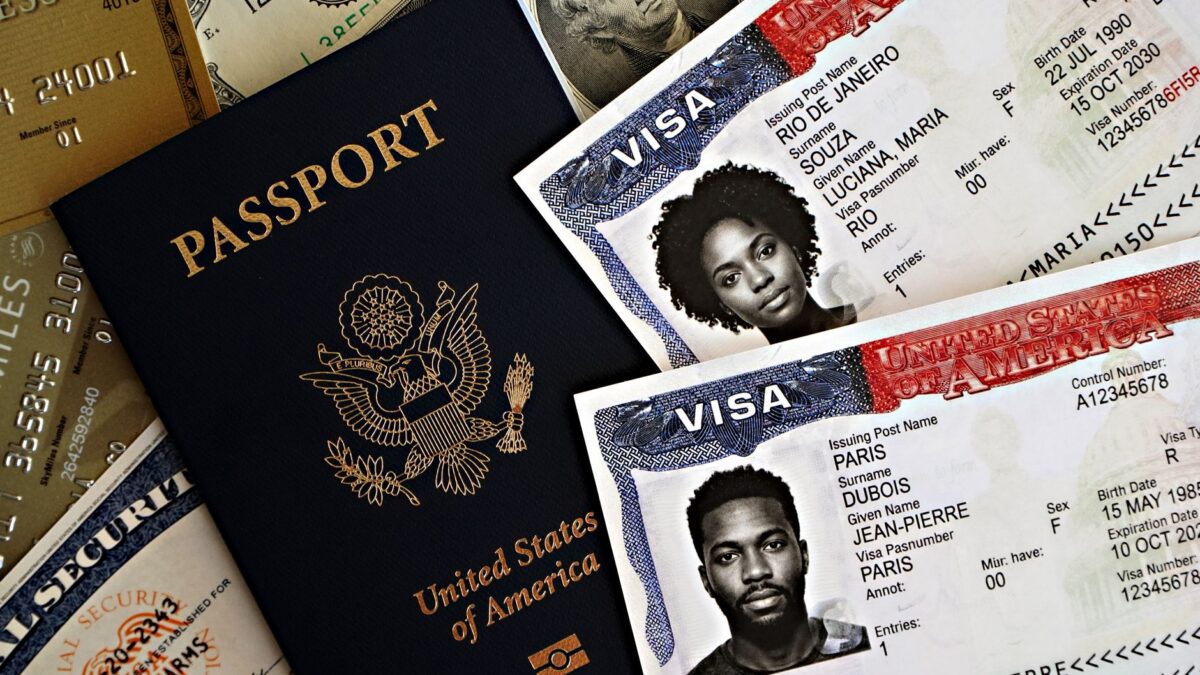
Turkey will stop letting Montenegrin citizens with ordinary passports enter without a visa from Dec. 7, 2026. The move answers Montenegro’s own decision to require visas from Turkish citizens, which took effect on Nov. 1 as part of its push to join the European Union.
The result is that ordinary passport holders on both sides now need a visa to travel between the two countries, ending visa-free travel that had connected them for more than 18 years. Neither country has banned travel outright.
What Turkey decided
Turkey published Presidential Decision No. 12026 in its Official Gazette on Nov. 27, according to Travel And Tour World. The decision suspends parts of the bilateral visa exemption agreement the two countries signed on Jan. 18, 2008, for Montenegrin ordinary passport holders. Montenegro’s Ministry of Foreign Affairs said the Turkish requirement starts on Dec. 7 and told citizens to follow announcements from the Turkish Embassy in Podgorica on how to apply.
The Turkish announcement does not call the step retaliation, though it mirrors Montenegro’s rule.
Why Montenegro changed its rules first
On July 23, 2026, Montenegro adopted changes to its national visa rules. From Nov. 1, citizens of Turkey, Russia, Belarus, China and Saudi Arabia need visas, subject to exemptions. The government said the change met a benchmark under Chapter 24 of its EU accession talks, the chapter on justice, freedom and security. The reforms also opened the way to about €4 million in EU funding under the Growth Plan for the Western Balkans.
Montenegro had brought back visa-free entry for Turkish citizens in December 2025, while cutting the permitted stay from 90 to 30 days.
What applicants to Montenegro face
Under Montenegro’s standard visa guidance, applicants submit documents backing their trip, which can include proof of funds, health insurance, accommodation and travel bookings. They generally have to show access to at least €50 for each day of the planned stay. By that rule, a family of four on a seven-day trip would need to show €1,400. This is proof of available money, not a fee.
Montenegro normally decides applications within ten days. Authorities can extend that to 30 days, or 60 days in exceptional cases. Visa application centers operate in Ankara and Istanbul, so Turkish applicants who live elsewhere may need to travel to apply.
Turkey’s procedure for Montenegrins has not yet been detailed; the Montenegrin ministry pointed citizens to the Turkish Embassy in Podgorica for that information.
What it means for travelers and tourism
For most readers of this site, little changes: the new rules apply to Turkish and Montenegrin ordinary passport holders. U.S. citizens heading to Turkey can check what Americans need to enter Turkey, and should confirm current rules with the official government source before travel.
The bigger impact is on tourism in Montenegro. Data from MONSTAT, Montenegro’s statistical office, show about 2.73 million tourist arrivals in 2025. Foreign visitors made up 95.8% of overnight stays, and Turkey accounted for 4.3% of international overnight stays, the same share as Ukraine and more than the United Kingdom. Turkish guests made up 4.9% of international overnight stays in individually run accommodation such as private holiday homes.
The dispute also touches air travel. On Jan. 26, 2026, Turkish Airlines and Air Montenegro announced a codeshare that puts the Turkish Airlines code on Air Montenegro flights between Istanbul and Podgorica and Tivat. Travel And Tour World reported no verified evidence that either airline has cut routes or capacity because of the visa change.
Travelers connecting through Istanbul on separate tickets, or with an overnight stop or baggage pickup, may have to pass Turkish immigration. Anyone with that kind of itinerary should check whether it means entering Turkey.
A wider gap between two EU candidates
Turkey applied to join the European Economic Community in 1987, became an official EU candidate in 1999 and began accession talks in 2005. The European Commission says those talks have been at a standstill since 2018. Montenegro’s citizens with biometric passports, by contrast, have had visa-free short-stay access to the Schengen Area since December 2009.
Source: Travel And Tour World