State Department Keeps Greenland at Level 2, Warns of Slow Rescues
The U.S. State Department renewed its Level 2 advisory for Greenland on Nov. 23. Here is what it says about rescues, cruises, insurance and health risks.
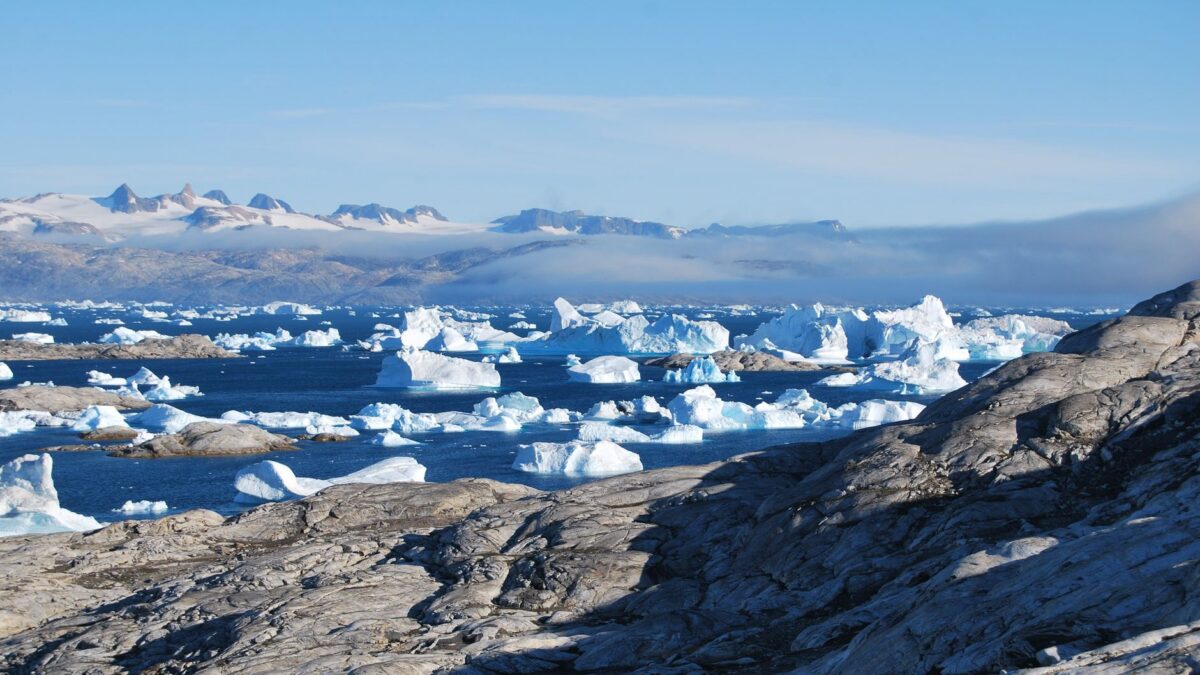
The U.S. State Department renewed its travel advisory for Greenland on Nov. 23, 2026, keeping the Arctic territory at Level 2, “Exercise Increased Caution.” The update adds no new restrictions and does not raise the risk level, according to Travel And Tour World. Its main warning is practical: if something goes wrong far from a town, rescuers may need several days to arrive, and U.S. consular help on the island is extremely limited.
The advisory applies to American citizens. Travelers holding other passports are directed to their own governments’ guidance.
What the Level 2 rating covers
Two risk indicators sit on the Greenland page: natural disasters and other environmental hazards. The State Department points to severe cold, strong winds, weather that changes quickly and the isolation of most of the island. Level 2 is the second step on the department’s four-level scale and does not tell Americans to stay away. It asks them to learn local conditions and plan for them.
Geography explains most of the warning. Greenland is the world’s largest island, at roughly 2.16 million square kilometres, and its ice sheet covers about 80% of the land. People live mostly in small settlements along the coast, and no road network connects those towns. Aircraft and boats do the work that ambulances and highways do elsewhere.
What it means for hikers and independent travelers
The advisory says search and rescue teams may take several days to reach incidents in some remote areas. Once they arrive, help may be limited to basic first aid and transport toward a place with better medical care. Greenlandic authorities and local emergency services, not U.S. officials, run rescues and medical response.
The department also warns that search and rescue can be expensive for the person being rescued. It lists frostbite, dehydration, sunburn and keratitis among the health threats. Keratitis is an inflammation of the cornea that can follow strong ultraviolet exposure, which snow and ice make worse by reflecting sunlight. Other hazards named include glacier crevasses, polar bears, landslides and avalanches.
These risks do not end with winter. Summer visitors face the same glaciers, the same reflected light and the same sudden weather.
Cruise passengers: limited medical care along the routes
Expedition cruises are a large part of Greenland tourism, and the advisory singles them out. Many places cruise ships visit have no advanced medical facilities, so a passenger who needs treatment may have to be moved to a settlement that has a hospital. Cruise operators coordinate those medical disembarkations with Greenland’s health system, and bad weather can hold up both ships and aircraft.
The State Department recommends that travelers look at a cruise operator’s record and at the Arctic experience of the captain and crew before booking. Travel And Tour World adds that a standard travel insurance policy may not pay for helicopter rescue or remote activities, and that cover for hospital bills is separate from cover for evacuation from an isolated spot.
Why the warning comes now
More travelers are flying in. Figures from Statistics Greenland’s Greenland in Figures 2026 show 114,431 international air passengers in 2025, up from 96,362 in 2023. Most of the shift happened at Nuuk, the capital, where international passengers rose from 6,220 in 2023 to 93,753 in 2025, while Kangerlussuaq fell from 75,522 to 8,179 over the same years.
Better flights into Nuuk make the capital easier to reach. They do not shorten the distances to glaciers, fjords and small settlements, which is where the advisory’s rescue and medical warnings apply.
Where to check the official text
The full Greenland advisory, including its health and cruise notes, is published on the State Department’s travel site, travel.state.gov. Travelers already booked for a winter trip, a glacier excursion or an expedition cruise can compare their plans and insurance terms against that page before departure.
Source: Travel And Tour World