Before Traveling to Japan: Medicine, Cash, IC Cards and Etiquette
The practical basics that most often surprise first-time visitors to Japan, from banned medicines to tax-free shopping changes.
Before a first trip to Japan, the things that most often catch American visitors out are medicine rules, cash and a few unwritten rules of public behavior. Some common U.S. prescriptions, including stimulant-based ADHD medicines, are banned in Japan, and larger supplies of permitted medicine can need paperwork before you leave. Getting around is easy with a rechargeable IC transit card, and from November 1, 2026 tax-free shopping changes to a refund system.
This guide covers the practical basics. For passport and visa rules, read our guide to Japan entry requirements for Americans. Rules change, so confirm anything important with official Japanese sources before you travel.
1. Check your medicines first
Japan controls medicines more tightly than the United States. The Ministry of Health, Labour and Welfare (MHLW) publishes the rules in English in its Q&A on bringing medicines into Japan. The main points as of October 2026:
- Stimulants are prohibited. Amphetamine-based medicines such as those used for ADHD cannot be brought in, even with a prescription and a doctor’s letter.
- Prescription medicine for personal use: generally up to a one-month supply can be brought without an application. More than that requires an import confirmation (sometimes called Yunyu Kakunin-sho), which you apply for before travel. Online applications are available.
- Non-prescription medicine: limits apply by quantity. Some U.S. cold and allergy products contain pseudoephedrine above levels Japan allows.
- Controlled substances such as some strong painkillers, sleep aids or anxiety medicines may need a separate narcotics permit from a regional health bureau.
- Injectables such as insulin: personal-use quantities with the medicine are generally fine; syringes alone are treated differently.
Carry medicines in original labeled packaging with a copy of your prescription. If you are unsure about a specific ingredient, contact the MHLW regional bureau or the nearest Embassy or Consulate of Japan well before departure.
2. Cash still matters
Cards are widely accepted in cities, hotels, chain stores and many restaurants, but some small restaurants, shrines, rural guesthouses and market stalls still take cash only. Practical tips:
- ATMs in convenience stores and post offices generally accept foreign cards.
- Carry a moderate amount of yen for small purchases and coin lockers.
- When a card terminal offers to charge you in U.S. dollars, choose yen. Our guide to using credit cards abroad explains why.
- Cash and equivalent instruments worth more than ¥1 million must be declared to customs on arrival or departure.
3. IC cards for trains and buses
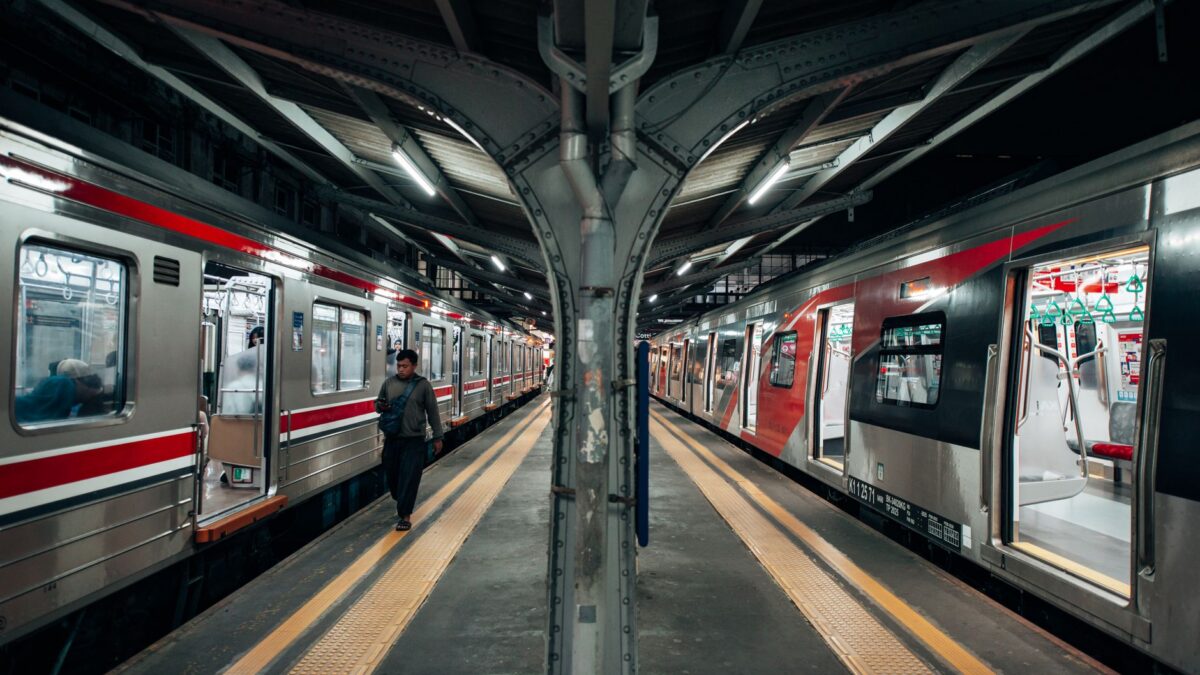
Rechargeable IC cards make trains, subways, buses and many convenience-store purchases simple. The main options for visitors:
| Option | What to know |
|---|---|
| Suica or PASMO in Apple Wallet | Works on iPhone and Apple Watch; top up with a card in the Wallet app |
| Welcome Suica Mobile (iPhone app) | JR East’s app for visitors; no deposit; valid for a limited period |
| Welcome Suica or PASMO PASSPORT (physical) | Visitor cards with no deposit, valid for a limited period (usually 28 days) |
| Regular physical Suica or PASMO | Availability has varied since chip shortages in 2023; check before relying on buying one |
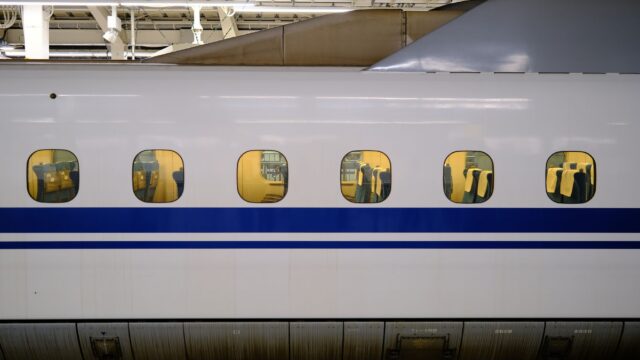
IC cards cover ordinary fares. Shinkansen bullet trains and limited express trains usually need a separate ticket or seat reservation. Many Android phones sold outside Japan cannot add a Japanese IC card, so Android users often rely on a physical card.
4. Stay connected
Navigation apps, train timetables and translation tools are very useful in Japan. You can use your U.S. carrier’s international plan, rent a pocket Wi-Fi device, or use a travel eSIM if your phone is unlocked. Our guide to how travel eSIMs work explains what to compare without recommending any provider.
5. Etiquette that makes a difference
- Quiet on trains. Phone calls on trains are avoided; set your phone to silent.
- Shoes off in homes, many traditional inns, some temples and some restaurants with raised floors. Look for a step up or a shoe rack.
- No tipping. Tipping is not expected and can cause confusion.
- Trash. Public bins are scarce. Carry a small bag and dispose of rubbish at your hotel or convenience-store bins.
- Queues. People line up neatly for trains and elevators; follow the marked lines on platforms.
- Tattoos. Some public baths and hot springs restrict visible tattoos. Check the facility’s policy before you go.
- Smoking is restricted to designated areas in many cities, including outdoors.
6. Tax-free shopping changes on November 1, 2026
Until October 31, 2026, eligible visitors could buy goods tax-free at participating stores by showing a passport. From November 1, 2026, Japan switches to a refund model: you pay the full price including the 10% consumption tax in the store, then claim the refund after customs confirms at departure that you are taking the goods out of Japan. Stores still record your passport at the time of purchase. Keep receipts and allow time at the airport. Details of the procedure may be refined, so check with Japan’s National Tax Agency or Japan Customs before your trip.
7. Departure tax
From July 1, 2026, Japan’s International Tourist Tax is ¥3,000 per departure, up from ¥1,000. Airlines and cruise lines normally include it in the ticket price. Children under 2 are exempt.
8. Safety and emergencies
Japan is generally considered safe for visitors, but natural hazards such as earthquakes, typhoons and heavy rain are real. Learn the emergency numbers (110 for police, 119 for fire and ambulance), note your hotel’s evacuation route, and consider enrolling in the State Department’s Smart Traveler Enrollment Program. Medical care is good, but U.S. insurance plans may not cover treatment abroad.
Bottom line
Most first-trip problems in Japan are avoidable: check medicines against MHLW rules before you pack, carry some cash, set up an IC card for transit, and learn a few etiquette basics. If you plan to shop, remember the new refund system from November 1, 2026. Always confirm customs and medicine rules with official Japanese sources before departure.
For transport, rail passes and itinerary basics, continue with our Japan travel guide for first-timers.
FAQ
Can I bring my ADHD medication to Japan?
Amphetamine-based stimulants are prohibited even with a prescription. Some non-amphetamine medicines may be allowed in limited amounts with paperwork. Contact the MHLW or a Japanese consulate about your specific medicine well before travel.
Do I need yen before I land?
It is not essential. Airport and convenience-store ATMs generally accept foreign cards, but having some yen on arrival is convenient.
Is tipping rude in Japan?
It is not expected and staff may try to return it. Good service is considered part of the price.
Can I still shop tax-free after November 1, 2026?
Yes, but the tax is refunded after departure checks instead of being removed at the till. Keep your receipts and purchases ready for inspection.