Dual Citizenship and Travel: Which Passport Should You Use?
Holding two passports is legal, but each border expects a specific one. Here is how the U.S. rule works and how to plan check-in and arrival.
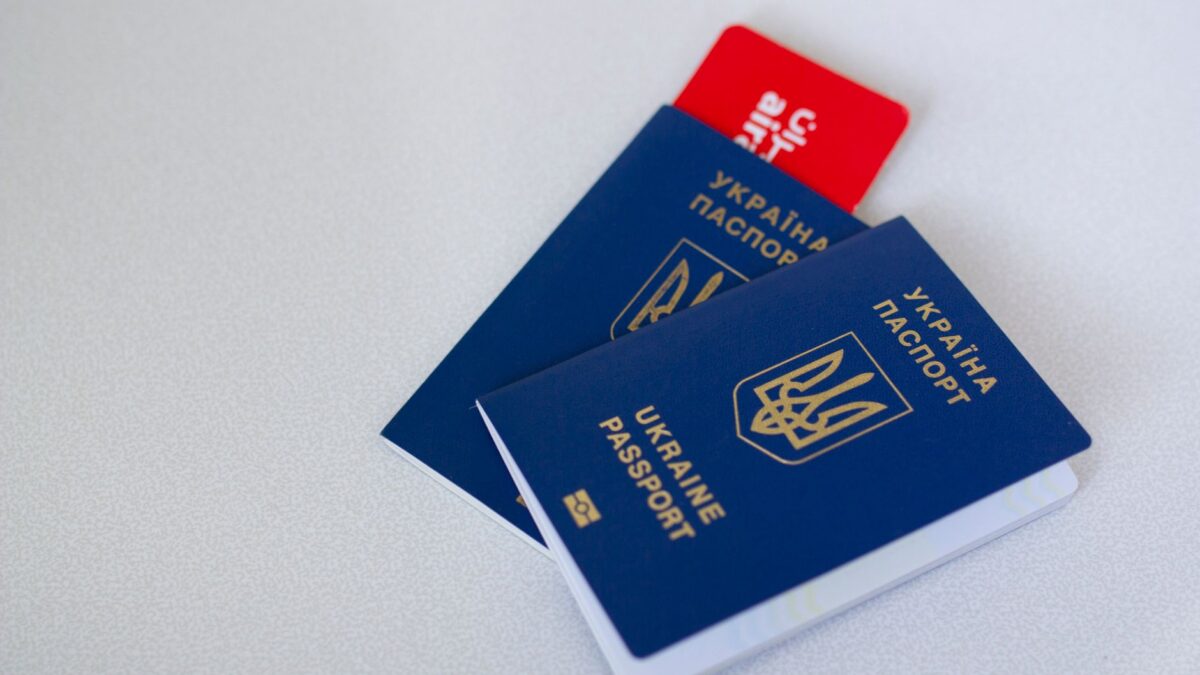
If you are a U.S. citizen, you must use a U.S. passport to leave and enter the United States, even if you also hold another nationality. For the other country, you generally follow its own rules, which often means entering and leaving on that country’s passport. Most dual nationals end up showing a different passport at each border, and that is normal and legal.
This is general information, not legal advice. Rules on nationality are set by each country, so confirm with the official government source of both countries before you travel.
The U.S. rule in plain terms
The State Department’s page on dual nationality states that U.S. nationals, including dual nationals, must use a U.S. passport to enter and leave the United States. A few practical consequences follow from that:
- You cannot use ESTA as a U.S. citizen. If you are, say, a U.S.–British or U.S.–German dual national, you cannot apply for an ESTA on your foreign passport to come home. ESTA is for foreign visitors only.
- You cannot get a U.S. visa. U.S. citizens are not eligible for U.S. visas, so a valid U.S. passport is the only standard way back in.
- Children are included. A child who is a U.S. citizen, for example born abroad to an American parent, also needs a U.S. passport to enter the U.S.
- Third countries are different. Traveling between two other countries on your foreign passport does not conflict with U.S. law.
Which passport to show at each step
A simple way to think about it: show each country its own passport, and show the airline the passport that matches your destination’s entry rules.
| Step | Passport to use | Why |
|---|---|---|
| Leaving the U.S. | U.S. passport | Required by U.S. law for citizens |
| Airline check-in to your other country | Usually the other country’s passport (show both if asked) | Proves you need no visa or travel authorization there |
| Arriving in your other country | That country’s passport | Many countries expect their citizens to enter as citizens |
| Leaving your other country | The same passport you entered with | Exit records should match entry records |
| Check-in for the flight to the U.S. | U.S. passport | Airlines verify you can enter the U.S. |
| Arriving in the U.S. | U.S. passport | Required by U.S. law |
When booking flights, the name on your ticket should match the passport you will show at check-in. If your names differ between passports (for example a different spelling or an extra surname), book in the name of the passport the airline will check first and carry both.
What the other country may require
The U.S. rule only covers the U.S. border. Your other country makes its own rules, and they vary:
- Canada says dual Canadian citizens need a Canadian passport to fly to Canada; they cannot use a U.S. passport with an eTA.
- The United Kingdom does not issue an ETA to British or Irish dual citizens. They prove their right to enter with a British or Irish passport, or another passport with a certificate of entitlement to the right of abode.
- Some countries require citizens to enter and exit on the national passport, and some treat you only as their own citizen while you are there, regardless of your other nationality.
Check the government website of your other country, or its embassy in the U.S., for its exact policy. Do not rely on what worked for a relative years ago, because these rules are periodically tightened.
Consular help and military service
Holding two nationalities can limit what the U.S. government can do for you abroad. If you are in the country of your other nationality, local authorities may treat you only as their citizen, which can restrict U.S. consular access if you are arrested or detained. Some countries also have obligations attached to citizenship, such as military service or taxes. If that could apply to you, research it before you go, not at the border.
Common mistakes
- Letting the U.S. passport expire because you travel mostly on the other one. You will not be able to board a flight to the U.S. on the foreign passport alone. See our guide on getting a U.S. passport fast if time is short.
- Applying for an ESTA or another country’s travel authorization on the wrong passport. Travel authorizations are linked to one specific passport.
- Entering on one passport and exiting on another in the same country, which can create a record that looks like an overstay.
- Booking under a name that does not match the passport shown at check-in.
Bottom line
Use your U.S. passport every time you leave or enter the United States, and follow your other country’s rules for its own border, which usually means its passport. Keep both passports valid, book tickets in a name that matches, and confirm the latest rules on the official sites of both governments before you fly. If you are traveling onward to Europe, our overview of entry rules for U.S. citizens in Europe may also help.
FAQ
Can I enter the U.S. on my foreign passport with an ESTA?
No. U.S. citizens, including dual nationals, must use a U.S. passport to enter the United States and may not use ESTA.
Do I lose U.S. citizenship by using my other passport abroad?
Using a foreign passport to travel between other countries is not, by itself, inconsistent with U.S. law. Loss of nationality is a separate legal process; ask a qualified professional about your specific case.
Which passport should I show the airline?
Show the passport that lets you enter your destination without a visa or authorization, and be ready to show both. For flights to the U.S., show your U.S. passport.
My child is a dual national. Do the same rules apply?
Yes. A U.S. citizen child needs a U.S. passport to enter the U.S., and the other country may require its own passport or ID for the child as well.