EES Rollout: What Travelers Should Know Now That It Is Fully Live
Europe's biometric border register replaced passport stamps in spring 2026. Here is what changed, who is exempt and how to make your first crossing smoother.
The EU Entry/Exit System (EES) is now fully operational. After a phased start on October 12, 2025, it has been running at all participating external borders since April 10, 2026. If you are a non-EU visitor on a short stay, including a U.S., UK or Canadian citizen, your first entry into the Schengen area will be registered with your passport details, a facial image and fingerprints. There is no application and no fee.
Border procedures can vary by location and change at short notice. Check the official EU EES website before you travel.
What EES does
EES is a digital register of short-stay visitors to 29 European countries. It records your name, travel document data, biometrics, and the date and place of each entry and exit. It also records refusals of entry. According to the European Commission, it replaces the manual stamping of passports and allows automatic detection of people who exceed the permitted stay.
The practical effect for travelers is that your 90-day allowance in any 180 days is now tracked automatically and precisely. Our guide to the 90/180-day rule explains how the count works.
How the rollout worked
The EU chose a progressive start to avoid overwhelming border posts. Under Regulation (EU) 2025/1534, member states could bring the system online gradually over six months, starting on October 12, 2025. During that period, some crossings registered travelers in EES while others continued stamping. Full operation began on April 10, 2026.
The rules also allowed countries some flexibility after full launch: for a limited period they could partly suspend EES checks at specific crossings if waiting times became excessive, an option aimed at the 2026 summer peak. That window has now passed, and full registration is the norm. Airports and land borders still differ in how many kiosks and staff they have, so waiting times are uneven.
Who registers and who is exempt
| Traveler | EES registration? |
|---|---|
| U.S., UK, Canadian and other visa-exempt visitors on short stays | Yes |
| Short-stay Schengen visa holders | Yes |
| Children under 12 | Yes, but no fingerprints taken |
| EU, Icelandic, Liechtenstein, Norwegian and Swiss citizens | No |
| Holders of a residence permit or long-stay (type D) visa from a Schengen country | Generally no |
| Non-EU family members holding an EU residence card under free-movement rules | Generally no |
| Nationals of Andorra, Monaco and San Marino; Vatican passport holders | No |
Exempt travelers still go through passport control and should carry the residence document that proves their status. Rules for permits issued by countries outside the system, such as Ireland and Cyprus, differ, so check the official site if this applies to you.
What happens at the border
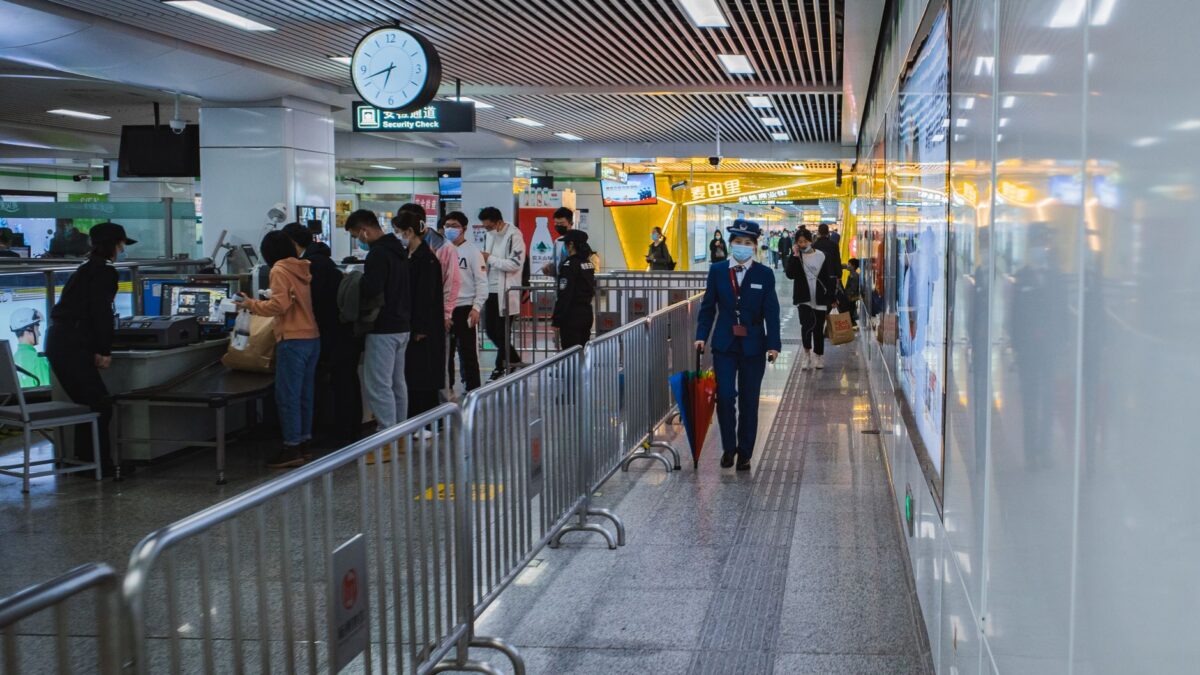
- First entry: you scan your passport at a kiosk or hand it to an officer. Your face is photographed and four fingerprints are taken. You may be asked a few questions about your trip.
- Officer check: a border guard confirms the record and decides on entry, as before. Have your accommodation details, return ticket and proof of funds ready.
- Later trips: your record is kept, so subsequent crossings usually only need a face or fingerprint check.
- Exit: leaving the Schengen area is also recorded, which closes the stay and updates your remaining days.
Your EES data is generally kept for three years after your last exit, which is why repeat visitors usually skip the full registration.
Where EES checks happen
EES applies at the external borders of the participating countries: international airports, seaports and land crossings from non-Schengen countries. Flights and trains between Schengen countries normally have no border check, so you will not be registered again if you fly from Paris to Rome.
Travelers from the UK by Eurostar, the Channel Tunnel or ferries from Dover pass French border checks before departure on British soil, so EES registration happens there. Allow extra time at these points, especially on your first trip.
How to avoid delays
- Arrive early for departures from the UK to France and for connections at large European hubs where you first enter the Schengen area.
- Keep your passport, accommodation address and return details easy to reach.
- Use self-service kiosks where offered. The EU has also allowed countries to provide a pre-registration app for some data, but availability depends on the country.
- Remove gloves, hats and sunglasses before the biometric scan.
- Count your days carefully. With EES, small miscounts that once went unnoticed can now show up as an overstay.
How EES fits with ETIAS
EES and ETIAS are different. EES is a border register with no application. ETIAS is a planned online travel authorization that visa-free visitors will need to obtain before travel. As of October 2026, ETIAS has no confirmed start date; see our latest update on the ETIAS start date. For a deeper look at the border system itself, read our EES explainer.
Bottom line
EES is now part of every short-stay trip to the Schengen area for non-EU visitors. There is nothing to apply for and nothing to pay, but your first entry takes longer and your days are counted digitally. Plan extra time at your first border, carry trip details and keep track of your 90/180 allowance. For current rules, rely on the official European Commission EES page.
FAQ
Do I have to apply or pay for EES?
No. Registration happens at the border and is free. Sites that charge for “EES registration” are not official.
Will my passport still be stamped?
In most cases no. The digital record replaces stamps, though officers may stamp passports in specific situations, such as a system failure.
Does EES apply when I visit the UK or Ireland?
No. EES covers the participating Schengen countries. The UK and Ireland run their own border systems.
What if I refuse to give fingerprints?
Providing biometrics is a condition of entry for travelers who must register. Refusing can lead to entry being refused.