Senate Bill Would Set $1,350 Minimum for Bumped Flyers
The Airline Passengers' Bill of Rights would require refunds and compensation for airline-caused delays. See what it proposes and where it stands in Congress.
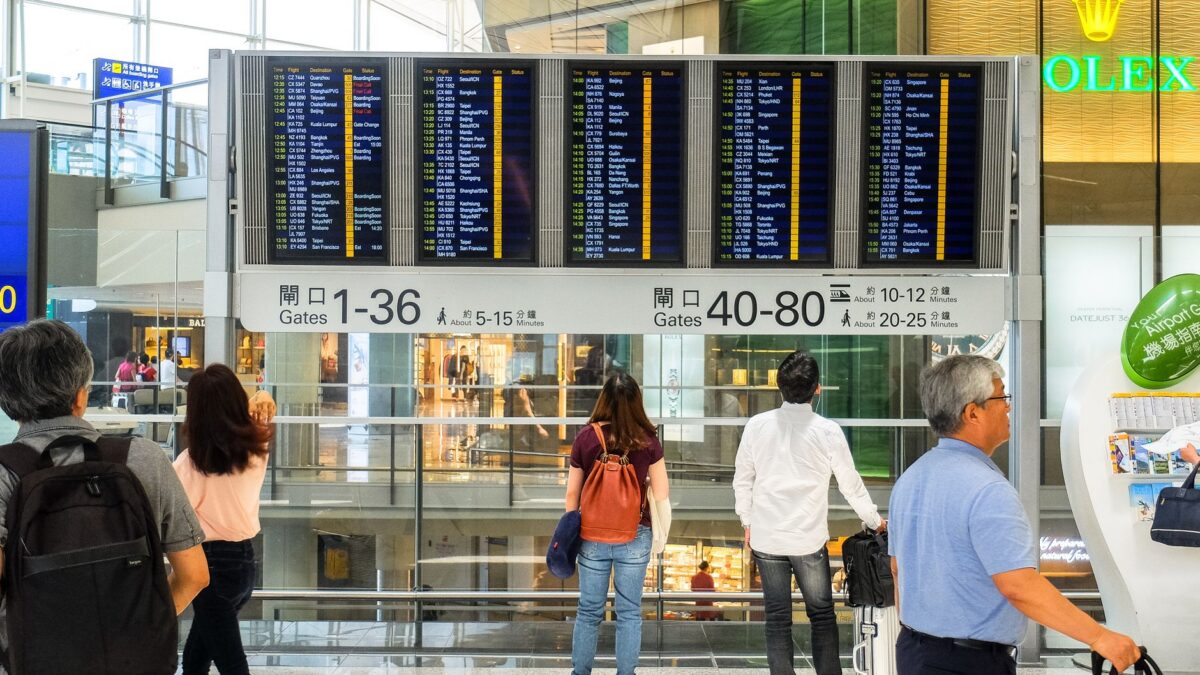
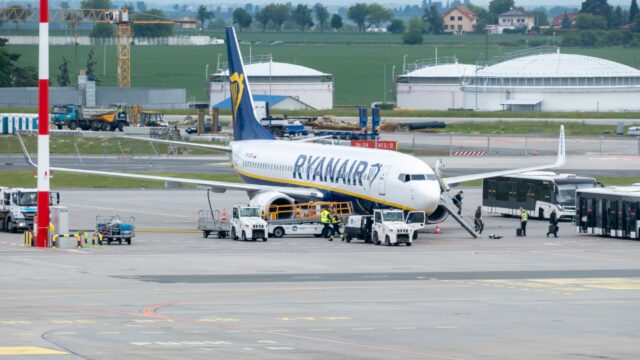
A federal bill called the Airline Passengers’ Bill of Rights would require U.S. airlines to refund tickets and compensate travelers when delays or cancellations are within the carrier’s control. It would also set a minimum payout of $1,350 for passengers who are involuntarily denied boarding on overbooked flights, according to Travel And Tour World.
The bill has not become law. It still has to move through both chambers of Congress and receive a presidential signature before any rule takes effect.
Who is backing the bill?
Travel And Tour World reports that Senators Richard Blumenthal and Edward Markey are the lead sponsors. Senators Jeff Merkley and Ron Wyden endorsed it, and the outlet says the renewed support was reported on Nov. 25, 2026.
What would the bill change for passengers?
According to the outlet, the proposal covers several areas:
- Refunds and compensation when a delay or cancellation stems from an issue the airline controls, as opposed to a genuine external emergency.
- A minimum of $1,350 for passengers involuntarily bumped from overbooked flights.
- Immediate refunds of baggage fees when luggage is lost or damaged.
- Clearer pricing for optional add-ons.
- Limits on shrinking seats where safety is a concern.
- More options for consumers to seek recourse and stronger enforcement powers for the Department of Transportation.
Why do lawmakers say it is needed?
Lawmakers cited figures showing that nearly one in four U.S. passengers faced a delay or cancellation in 2024. They also pointed to a 2025 survey that found 42% of disrupted travelers paid for costs that were never reimbursed, according to the report.
What does this mean for travelers now?
Nothing changes yet. Existing rules and airline policies still apply to current bookings, and the bill’s refund, compensation and fee provisions would only apply if Congress passes it. Travelers with a disrupted flight should check the airline’s own policy and the Department of Transportation’s consumer pages for the current rules.
For readers planning trips abroad, entry requirements are a separate matter from airline compensation. Our Italy guide for Americans covers entry rules and local fees for one popular destination.
How did the news affect American Airlines?
Travel And Tour World said American Airlines Group shares fell roughly 5% on Nov. 25, 2026, as investors weighed possible payout and fee costs. The outlet also noted the stock trades at a price-to-sales ratio near 0.14x, against a historical median of 0.24x, and that the company’s trailing twelve-month earnings per share are negative. Those figures describe investor sentiment, not any change to passenger rights today.
What happens next?
The bill faces review in both chambers of Congress. The report says airline industry groups and lawmakers often debate compliance costs, operational feasibility and regulatory scope in committee and on the floor. Until a final version passes and is signed, any financial effect on airlines remains uncertain. Final wording on payouts, fees and enforcement could change during that process.
Source: Travel And Tour World