US Adds $100 Fee for Foreign Visitors at 11 National Parks
Non-US residents 16 and older pay an extra $100 at 11 national parks from Jan. 1, 2026. State lodging taxes and park fees are also rising in several states.
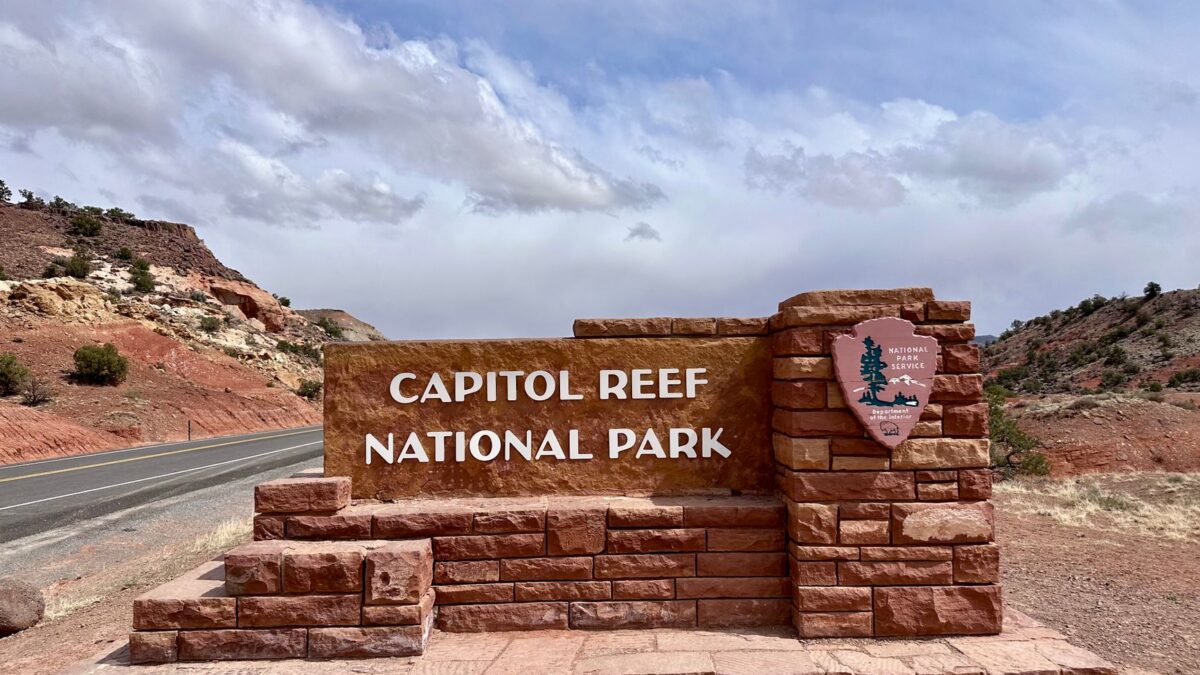
Visitors from abroad now pay an extra $100 to enter 11 designated U.S. national parks, according to Travel And Tour World. The National Park Service fee applies from Jan. 1, 2026, to non-US residents aged 16 and older, unless they hold a qualifying pass. It is a federal charge, separate from state taxes.
Several states have also raised lodging taxes and state park fees. Hawaii, Georgia, Washington and Kansas have already changed rates, and Oregon is scheduled to follow in January 2027.
The central numbers
- $100: the added national park admission charge for non-US residents aged 16 and above, in force since Jan. 1, 2026. The parks named include Grand Canyon, Yosemite, Yellowstone, Zion, Acadia and Everglades.
- 11%: Hawaii’s transient accommodations tax since January 2026, up from 10.25%. Travel And Tour World also reports an 11% rate on eligible prorated cruise fares.
- 2.75%: Oregon’s statewide lodging tax from Jan. 1, 2027, up from 1.5%. The outlet says the increase supports conservation funding.
- $7 and $39: Kansas’s new daily and annual state park vehicle permits from Nov. 1, 2026, up from $5 and $25.
- $10 and $70: Georgia’s 2026 daily park fee and annual pass, up from $5 and $50. Georgia also charges a separate $5 nightly hotel fee.
- $45: Washington’s Discover Pass, up from $30. Arizona now lists a $200 annual state park pass.
Which national parks carry the $100 fee
The report lists these parks: Grand Canyon in Arizona; Yosemite and Sequoia and Kings Canyon in California; Rocky Mountain in Colorado; Everglades in Florida; Acadia in Maine; Glacier in Montana; Bryce Canyon and Zion in Utah; and Grand Teton and Yellowstone in Wyoming. Yellowstone also extends into Idaho and Montana. The list is described as covering 11 parks, though it names more entries because of shared state boundaries.
Local hotel taxes can exceed the state rate
The report says state rates alone understate the final cost of a stay. It gives these combined or local figures:
- Honolulu and Maui: up to 18.712% with passed-on excise tax.
- Chicago: around 17.39%.
- Houston and Austin: around 17%.
- Atlanta: around 16.9%, before nightly fees.
- Seattle: around 15.7%.
- Florida’s major tourism counties: approximately 12.5% to 13.5%.
- Modesto, California: 9%.
Nashville adds a $2.50 nightly charge to local occupancy taxes. Las Vegas, New York City and Boston also levy local or flat charges, which the report does not quantify.
What this means for trip budgets
No state charges a general entry fee at its border, according to the report, but many charge for state parks and beaches. Typical vehicle fees cited include $12 to $20 at California state parks and $4 to $8 per vehicle in Florida. Louisiana generally charges $3 per visitor. Arkansas, Pennsylvania, Tennessee and Kentucky generally offer free state park entry, though activities and overnight stays can cost extra.
For international visitors on a multi-park road trip, the $100 charge applies in addition to ordinary admission. Lodging taxes vary by state: Texas has a 6% statewide hotel occupancy tax, Pennsylvania 6%, Wyoming 9% and Delaware 8%. Alaska has no statewide sales or accommodation tax, but municipalities set their own.
Where to confirm current charges
Rates differ by park, county and city, and the source is a trade outlet summary rather than an official schedule. Travelers can check current fees and pass eligibility on the National Park Service website (nps.gov) and with each state’s park agency and local tourism office before departure. For other destinations, see the guide to Costa Rica entry requirements and exit tax.
Source: Travel And Tour World