Schengen Visa Invitation Letter: When You Need One and What to Include
Visiting family or friends in Europe usually means your host provides an invitation. Some countries accept a simple letter; others require an official form from the authorities.

You usually need an invitation letter for a Schengen visa when you are visiting family or friends, or traveling for business, rather than staying in a hotel on a tourist trip. In some countries a signed letter from your host with a copy of their ID is enough. Others, such as Germany, France and Spain, have official host or sponsorship forms that your host obtains from local authorities, sometimes for a fee. An invitation supports your application but does not guarantee a visa.
Requirements depend on the country of your main destination and even on the consulate. Check the official checklist of the consulate handling your application before your host starts any paperwork.
When an invitation is needed
| Purpose of trip | Invitation usually needed? | Typical form |
|---|---|---|
| Tourism, staying in hotels | No | Hotel bookings and itinerary instead |
| Visiting family or friends, staying with them | Yes | Letter or official host declaration, plus host’s ID or residence permit |
| Visiting family or friends, staying in a hotel | Often helpful | Letter explaining the relationship and plans |
| Business meetings or trade fairs | Yes | Letter from the inviting company, sometimes with event registration |
| Conferences, cultural or sports events | Yes | Invitation or registration from the organizer |
| Medical treatment | Yes | Letter from the medical institution |
What a private invitation letter should include
Where a simple letter is accepted, consulates generally look for the same information. The letter should be written and signed by the host, dated recently and addressed to the consulate.
- Host details: full name, date of birth, address, phone, email, and nationality or residence status in the Schengen country.
- Visitor details: full name, date of birth, passport number and address.
- Relationship: how you know each other, for example sister, cousin or long-time friend.
- Purpose and dates: why you are visiting and the planned arrival and departure dates.
- Accommodation: confirmation that you will stay at the host’s address, if that is the case.
- Costs: who will pay for what, such as accommodation only or all expenses.
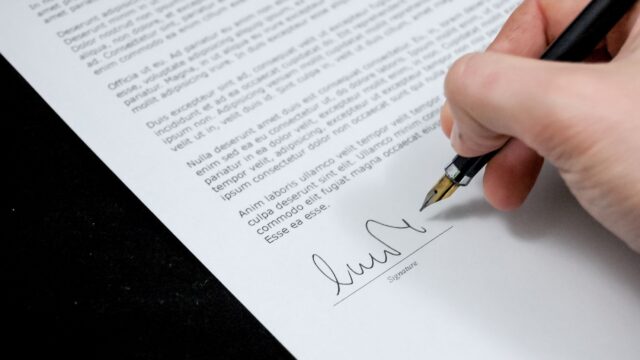
- Signature: the host’s signature, sometimes certified, depending on the consulate.
Attach a copy of the host’s passport, national ID or residence permit, and proof of address. If the host is covering costs, add proof of their income or funds. Keep the tone factual; the letter is a document, not a character reference.
Official host forms by country
Several Schengen countries require or strongly prefer an official document that the host obtains locally. The examples below are well established, but procedures and fees can change, so your host should check with their local authority.
Germany: Verpflichtungserklärung
A Verpflichtungserklärung is a formal declaration of commitment in which the host agrees to cover the visitor’s costs, including any public expenses during the stay. The host signs it in person at the local foreigners’ authority (Ausländerbehörde) and must show sufficient income. Local authorities commonly charge a fee of EUR 29. It is mainly needed when the host is financing the trip; it does not replace the visitor’s own travel medical insurance.
France: attestation d’accueil
A host in France who will put up a visitor applies for an attestation d’accueil at their town hall (mairie). According to Service-Public.fr, the official French government information site, it costs EUR 30, paid by electronic tax stamp. The town hall checks the host’s housing and can take some time to issue it, so hosts should apply well before the visa appointment.
Spain: carta de invitación
In Spain, the host requests a carta de invitación from the National Police at the station for their place of residence, by appointment, for a stay of up to 90 days. Spanish citizens, EU citizens and legally resident foreigners can apply. The fee is paid with form 790, code 012. Spain’s Ministry of the Interior notes that the letter does not replace the visa and does not guarantee entry.
Other countries
Belgium uses a formal sponsorship undertaking (commonly called Annex 3bis) signed at the host’s local municipality. The Netherlands asks hosts to complete a standard proof of sponsorship and/or private accommodation form. Other countries accept a private letter but may ask for it to be signed in front of a notary or a municipal official. Check the consulate’s checklist for the exact document.
Business invitation letters
For business trips, the letter should come from the inviting company on its letterhead and include the company’s details and registration, the name and position of the visitor, the purpose and dates of the visit, the meetings or events planned, and who covers costs. Many consulates also want a letter from the visitor’s own employer confirming the trip.
How an invitation fits into the application
Your host’s name and address go into field 30 of the application form, or the company’s details into field 31. Field 32 asks who pays. These must match the invitation. See our field-by-field guide to the application form and the full Schengen document checklist.
At an interview you may be asked how you know your host and what they do. Our guide to the Schengen appointment and interview covers typical questions.
What an invitation cannot do
- It does not guarantee a visa. The consulate still assesses your own ties, finances and purpose.
- It does not replace your travel medical insurance.
- It does not allow you to work or stay longer than 90 days in any 180-day period.
- It must be genuine. Hosts who sign false declarations can face legal consequences, and visitors can be refused or have a visa annulled.
Bottom line
If you are staying with family or friends, plan for an invitation early: some countries need only a signed letter, while Germany, France, Spain and others have official forms that take time and cost money. Make sure the details match your application, and confirm what your consulate requires on its official website before your host applies.
FAQ
Does the invitation have to be an original?
Many consulates want the original of official host forms, and some accept a scan of a private letter. Check the consulate’s checklist.
Can a friend who is not an EU citizen invite me?
Usually yes, if they are legally resident in the Schengen country. They will need to show their residence permit.
How recent must the invitation be?
It should cover your planned dates and be issued recently. Some official forms have their own validity period, so time the request with your appointment in mind.
Do I need an invitation if I visit family but stay in a hotel?
It is not always required, but a short letter explaining the visit can help show the purpose of your trip.