Documents Required for a US Visitor Visa: DS-160 Stage to Interview Day
Different documents matter at different stages of a US visitor visa application. Here is what to have ready for the DS-160, for booking and for the interview itself.
For a US B1/B2 visitor visa you need a valid passport and a digital photo to complete the DS-160, proof of fee payment to book an interview, and your passport, DS-160 confirmation and appointment letter at the interview. Financial, employment and travel documents are optional supporting evidence, but you should have them ready in case the consular officer asks.
The lists below reflect State Department guidance as of October 2026. Embassies can add local requirements, so check your embassy’s website and travel.state.gov before you start.
Stage 1: Information you need for the DS-160
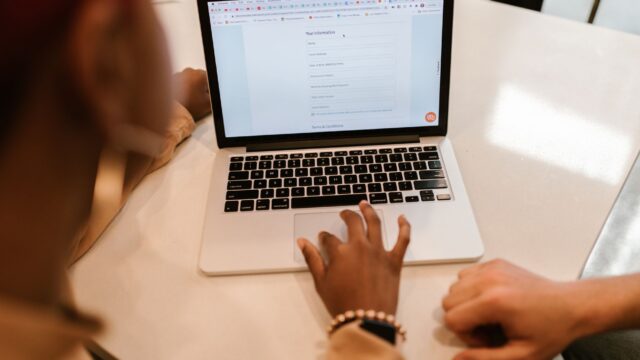
The DS-160 is completed online and asks for a lot of detail. Gather this information before you begin, because the form times out if left idle:
- Your passport, including number, issue and expiry dates.
- A digital photo that meets US visa photo requirements.
- Your travel plans: intended arrival date, length of stay and US address if known.
- Your US point of contact, if any: name, address and phone number.
- Details of previous US travel and any previous visas or refusals.
- Your home address and phone numbers, and email addresses.
- Social media identifiers you have used in the past five years, which the form asks for platform by platform.
- Your current employer or school, and previous employers.
- Education history.
- Details of your parents and spouse.
- Your travel history to other countries in recent years.
Our section-by-section guide to the DS-160 explains each part of the form.
Stage 2: Paying the fee and booking
To book the interview you will typically need:
- Your DS-160 confirmation number.
- Your passport number.
- Proof of payment of the USD 185 application fee (as of October 2026), paid by the method your embassy lists.
Since September 2025, applicants are generally expected to book at a US embassy or consulate in their country of nationality or legal residence. If you are applying as a resident rather than a citizen, bring proof of residence, such as a residence permit.
Stage 3: Interview day
| Document | Required or optional | Why it matters |
|---|---|---|
| Valid passport | Required | The visa is placed in it; generally valid six months beyond your stay unless exempt |
| Older passports with US visas | Required if you have them | Shows your previous travel record |
| DS-160 confirmation page | Required | Links you to the application the officer is reviewing |
| Appointment confirmation | Required | Needed to enter the building at most posts |
| Fee receipt | Required at some posts | Proves payment if the system did not record it |
| Printed photo | Only if requested | For failed uploads or specific embassy rules |
| Bank statements, pay slips, tax returns | Optional | Shows you can pay for the trip |
| Employment or student letter | Optional | Shows ties and approved leave |
| Invitation letter or business letter | Optional | Explains trip purpose |
| Property, family or business records | Optional | Supports your reasons to return home |
| Medical documents | Optional (expected for medical trips) | Diagnosis, US provider letter and cost estimate |
If a relative or friend in the US is paying for part of the trip, read our guide to sponsor documents for a US visit visa.
Documents you do not need
- Flight tickets. The State Department recommends not buying tickets until you have the visa.
- Prepaid hotel bookings. An itinerary is enough. Never use fake or temporary bookings made only for the interview.
- Notarized letters, unless your embassy specifically asks for them.
- Form I-134 for routine visits. It is used mainly with USCIS requests and in specific consular cases; the officer will tell you if one is needed.
Tips for organizing your documents
- Put required documents in a separate, easy-to-reach envelope.
- Group supporting documents by topic: purpose, finances, ties.
- Check every date and spelling against your DS-160.
- Check the embassy’s list of items allowed in the building; electronic devices and bags are often restricted.
A sample folder layout
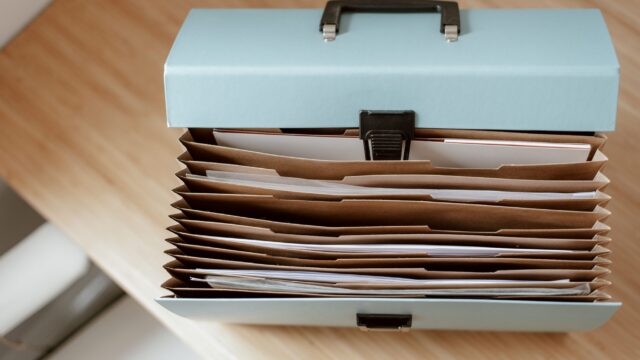
One simple way to organize the interview folder is to follow the order of the officer’s likely questions:
- Front pocket: passport, older passports with US visas, DS-160 confirmation, appointment confirmation and fee receipt.
- Section 1, purpose: itinerary, invitation or business letter, conference registration or medical appointment letter.
- Section 2, money: recent bank statements, pay slips or tax documents, and any sponsor evidence.
- Section 3, ties: employment or student letter, business registration, property or lease documents, family records.
- Section 4, history: previous visas, refusal letters if any, and court or police records if your embassy requires them.
Keep the folder slim. A few relevant pages you can find instantly are more useful than dozens you cannot.
Special cases
- Previous refusals: bring evidence of what has changed since, because the officer will want to know.
- Medical visits: bring the diagnosis, the US provider’s letter and proof of how treatment will be paid for.
- Applicants with a criminal record: follow your embassy’s instructions on court and police documents, and answer the DS-160 security questions truthfully.
Bottom line
The required list is short: passport, photo, DS-160 confirmation, appointment letter and fee proof. Supporting documents are optional but useful if the officer asks about your finances, job or trip. Everything you present must be genuine and consistent with your DS-160. Confirm the current list with your embassy before you go.
FAQ
Do children need their own DS-160?
Yes. Every applicant, including infants, needs a separate DS-160 and pays the application fee.
What if my passport expires soon?
Renew it before applying if possible. Many nationalities need six months of validity beyond the stay, and a new passport avoids problems at the border.
Can I update my DS-160 after booking?
Small corrections usually mean completing a new DS-160 and updating the confirmation number in your appointment profile. Follow your embassy’s instructions.
Are translations required?
Requirements vary by embassy. Many accept local-language documents; check your embassy’s visa page.