The US Visa Integrity Fee: Who Pays, How Much and When It Applies (2026)
A 2025 law added a $250 charge to most US nonimmigrant visas. Here is what is settled, what is still being rolled out and how to check your embassy's practice.
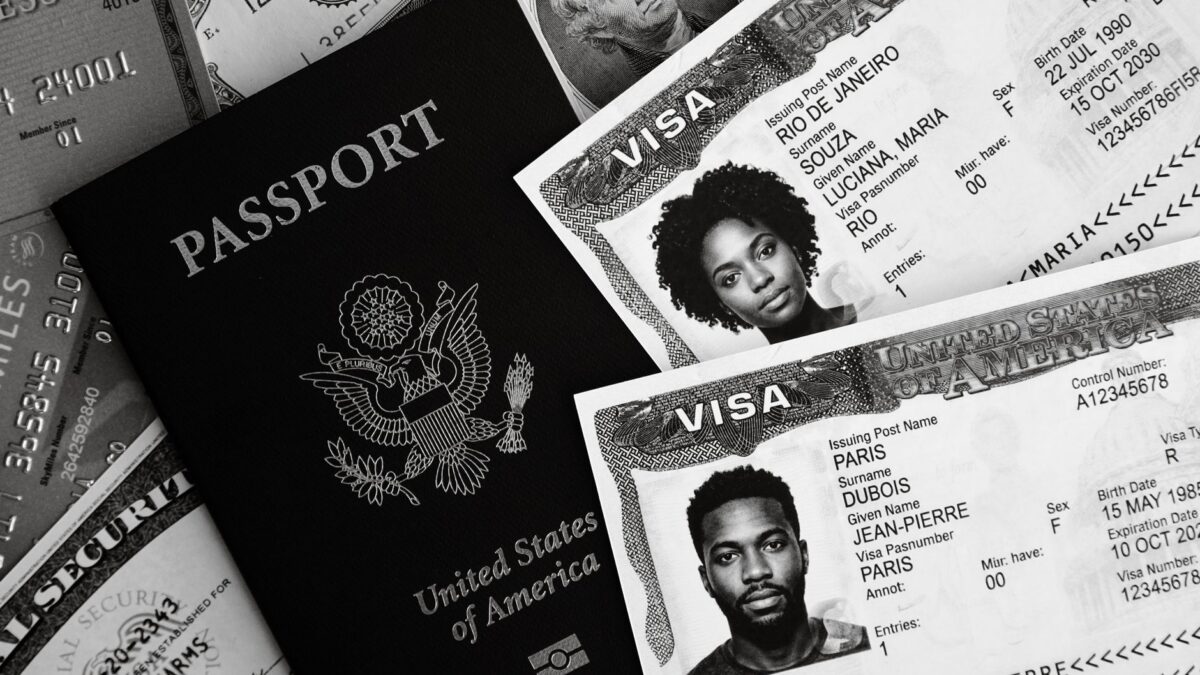
The visa integrity fee is a new US charge of at least USD 250 that applies to most people who are issued a US nonimmigrant visa, such as a B1/B2 visitor, student or work visa. It is paid on top of the regular visa application fee, it is charged only when a visa is actually issued, and travelers who use ESTA under the Visa Waiver Program do not pay it.
The fee was created by law in July 2025, but as of October 2026 collection has been rolling out unevenly and there is no single public start date that applies to every embassy. Check the State Department’s visa fee page and your embassy’s own instructions before you budget for a trip.
Where the fee comes from
The visa integrity fee was introduced by the budget reconciliation law signed on July 4, 2025 (Public Law 119-21, often called the “One Big Beautiful Bill Act”). The same law raised several other travel-related charges, including the ESTA fee and the land-border I-94 fee.
The law sets the fee at a minimum of USD 250 and allows it to be adjusted for inflation in later years. It is described as a visa integrity fee because the law ties a possible refund to the traveler’s compliance with the terms of the visa, such as leaving the United States on time.
Who pays it and who does not
The fee is linked to the issuance of a nonimmigrant visa. In practice that covers the large majority of temporary visa categories.
| Traveler | Visa integrity fee? | Notes |
|---|---|---|
| B1/B2 visitor visa applicant (tourism, family visits, business meetings) | Yes, when the visa is issued | Paid in addition to the USD 185 application fee |
| Students and exchange visitors (F, M, J) | Yes, when the visa is issued | Also pay the SEVIS fee where it applies |
| Temporary workers (H, L, O and similar) | Yes, when the visa is issued | Employer-paid petition fees are separate |
| Visa Waiver Program travelers using ESTA | No | ESTA has its own, separate fee |
| Immigrant visa (green card) applicants | No | The fee applies to nonimmigrant visas only |
| Applicants who are refused | No | The fee is charged at issuance, not at application |
Some diplomatic and official visa categories are treated differently, and most Canadian citizens do not need a visa for ordinary visits in the first place. If you are unsure whether your category is covered, the embassy that handles your application is the authority on it.
How much it costs as of October 2026
The legal minimum is USD 250 per visa issued. Because the law allows yearly inflation adjustments, the amount charged may differ slightly in later fiscal years. It sits on top of the other costs of a visitor visa:
- Visa application (MRV) fee: USD 185 for B1/B2 and most other petition-free visas, paid before the interview and not refundable.
- Visa integrity fee: at least USD 250, charged only if the visa is approved and issued.
- Reciprocity (issuance) fee: charged to some nationalities only, depending on what their government charges US citizens.
For a family of four applying for visitor visas, the integrity fee alone would add at least USD 1,000 to the total if all four visas are issued. The law applies the fee per visa issued, so dependents, including children, would generally each pay it.
When and how it is collected
This is the part that has been least clear. The law created the fee, but the State Department and the Department of Homeland Security have to put collection into practice. Reports during 2026, including from university international offices relaying what applicants were told, suggested that some consular posts may have begun collecting the fee at the issuance stage while others had not. As of October 2026 we found no official State Department or DHS notice setting a single start date for every embassy, so rely on your embassy’s own instructions.
What you can rely on:
- You pay the regular application fee first and attend your interview as usual.
- If the consular officer approves the visa, your embassy will tell you whether the integrity fee is due and how to pay it before your passport is returned.
- Keep a copy of every payment receipt. If a refund process becomes available, you are likely to need proof of payment.
If your embassy does not mention the fee, do not pay anyone who contacts you claiming you owe it. Payments should go only through the official channels listed on your embassy’s website or the State Department’s appointment system for your country.
Can you get the money back?
The law allows a refund in limited circumstances, broadly for visa holders who comply with the conditions of their visa. That generally means not working without authorization, not overstaying, and either leaving the United States on time or lawfully extending or changing status. A refund can only be considered after the visa’s validity ends.
As of October 2026, DHS has not published a detailed public claims procedure that applies to everyone, so treat the fee as a cost of the trip rather than a deposit you can count on getting back. If a refund process is published, it will appear on DHS or State Department websites, not on third-party “refund service” sites.
How the fee fits with the rest of the visa process
The integrity fee does not change how you apply. You still complete the online DS-160, pay the application fee, book an appointment and attend an interview unless you qualify for an interview waiver. Our step-by-step guide to the US visitor visa application process covers each stage, and the full B1/B2 visitor visa guide explains who needs a visa in the first place.
If you hold a passport from a Visa Waiver Program country, compare your options before applying for a visa you may not need. Our page on ESTA vs the B1/B2 visa explains when the cheaper ESTA route is available and when a visa is required.
Watch out for fee scams
New fees attract fraud. Be wary of emails, texts or websites that ask you to “pay your visa integrity fee” through a link, a money transfer app or a gift card. US embassies do not collect fees through private messaging, and they never ask for payment to a personal account. When in doubt, go directly to the embassy website for your country rather than following a link.
Bottom line
Budget at least USD 250 per person on top of the USD 185 application fee if you are applying for a US visitor visa, and expect to pay it only if your visa is approved. Collection practice still varies by embassy, and refunds are not yet routine. Confirm the current amount and payment method with the official State Department fee page and your embassy before you apply.
FAQ
Do ESTA travelers pay the visa integrity fee?
No. The fee applies to people who are issued a nonimmigrant visa. Travelers who visit under the Visa Waiver Program with an approved ESTA pay the ESTA fee instead.
Do I pay it if my visa is refused?
No. The fee is charged when a visa is issued. If your application is refused, you lose the non-refundable application fee but are not charged the integrity fee.
Does a visa renewal through the interview waiver process trigger the fee?
The fee is linked to visa issuance, so a renewed visa is a new issuance. Follow the instructions your embassy gives during the renewal process.
Is the fee the same in every country?
The legal minimum is the same USD 250 everywhere, though embassies may collect it in local currency and the amount can be adjusted for inflation over time.