Egypt Opens Registration for Aug. 2, 2027 Eclipse Viewing Sites
Egypt's astronomy institute opened registration for official eclipse viewing sites in Upper Egypt until June 30, 2027. See sites, tour prices and what is still unconfirmed.
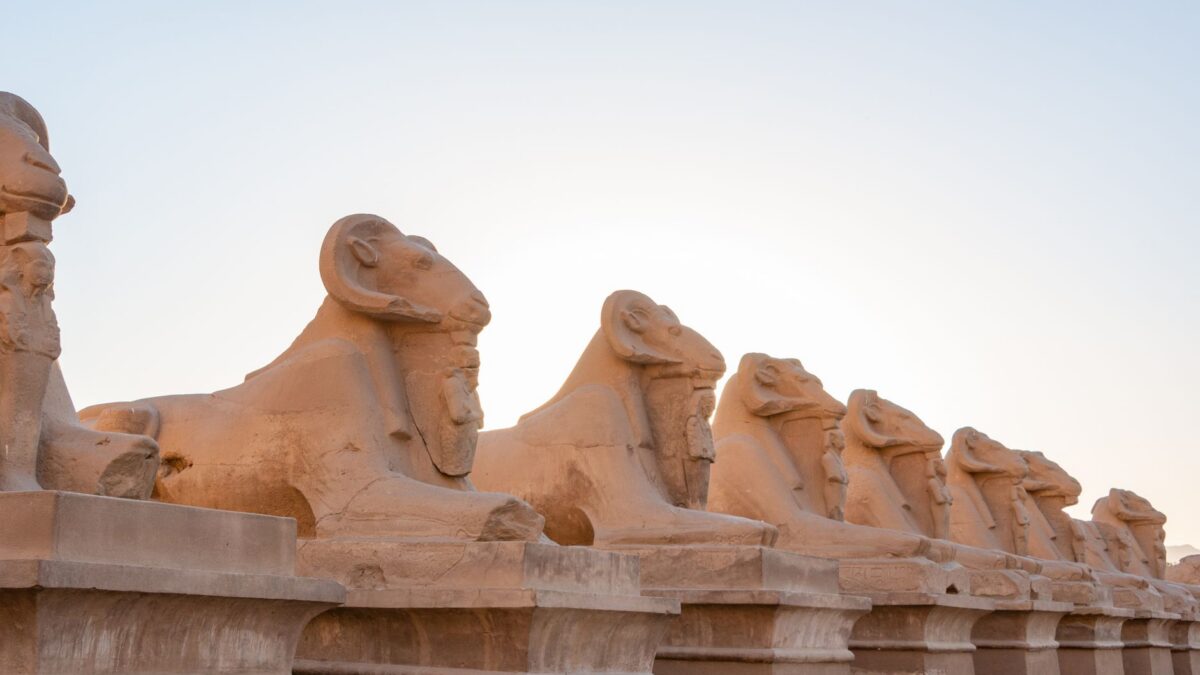
Egypt’s National Research Institute of Astronomy and Geophysics (NRIAG) has opened public registration for official viewing sites for the total solar eclipse of Aug. 2, 2027. Spaces are limited, and registration runs until June 30, 2027, according to Travel And Tour World.
Several international tour programmes are already sold out, and authorities have not yet confirmed eclipse-day access to major temple complexes such as Karnak and the Temple of Hatshepsut.
Where official viewing is open so far
Initial registration covers two venues: Luxor Library, where totality is expected to last about six minutes and 22 seconds, and Qena University, with about six minutes and eight seconds. Nag Hammadi is expected to be added later.
NASA predicts maximum totality over Egypt of six minutes and 23 seconds, which would make it the longest total solar eclipse visible on land until 2114. The eclipse path crosses parts of Spain, North Africa and the Middle East. Reports differ on the exact registration start: the source gives both mid-November and Nov. 24, 2026.
Authorities are still finalizing visiting hours and viewing permissions for archaeological sites. Egypt has also formed a national committee to coordinate domestic flights, road transport, security and site logistics.
Tour operators report early sellouts
British operator Wild Frontiers has launched a 14-day small-group trip called Egypt: Eclipse on the Nile, running from July 30 to Aug. 12, 2027. It starts at £8,495 per person, excluding international flights. The route begins in Cairo, with the Pyramids of Giza and the Grand Egyptian Museum, then heads to Sohag, which lies in the path of totality. It continues to Abydos, Dendera and Luxor, followed by a four-night cruise on a private dahabiya (a traditional sailing vessel) with stops at Edfu and Kom Ombo on the way to Aswan.
Other operators reported by the outlet:
- United States: Sky & Telescope has filled its Luxor programmes and is keeping waiting lists.
- Australia: Eclipse Travel has sold out two expeditions, of 12 and 14 days.
- Canada: Civilized Adventures has filled its 11-day itinerary, which includes a Nile cruise.
- Germany: Konradin Leserreisen offers a nine-day trip at €8,990 per person.
- Spain and Italy: Wakambi and Accademia delle Stelle both report fully booked departures.
Djoser in the Netherlands, Belgium’s Urania Public Observatory and Japan’s Hankyu Travel have also set up eclipse programmes.
What this means for travelers
Accommodation, domestic flights and permitted viewing sites in Luxor and surrounding provinces are filling quickly, according to the report. Travelers planning a trip around the eclipse face limited official viewing places and no confirmed access to some temple sites.
Midday August temperatures in Upper Egypt regularly exceed 40°C (104°F), the source says. NASA advises solar viewing glasses certified to the ISO 12312-2 standard during the partial phases; ordinary sunglasses do not give safe protection.
Entry requirements depend on nationality. U.S. citizens can check the e-Visa and visa on arrival rules for Egypt, and should confirm current details with the Egyptian embassy or consulate and travel.state.gov.
What happens next
NRIAG registration closes June 30, 2027. Nag Hammadi is expected to join the list of official sites, and eclipse-day hours and permissions for archaeological complexes are still to be announced. Travelers should follow NRIAG and Egyptian official channels for those updates.
Source: Travel And Tour World