EES Now Fully Live: How to Check Your Schengen 90-Day Allowance
The EU's Entry/Exit System has been fully operational since April 10, 2026. Here is how to check your 90-day Schengen allowance and fix a wrong record.
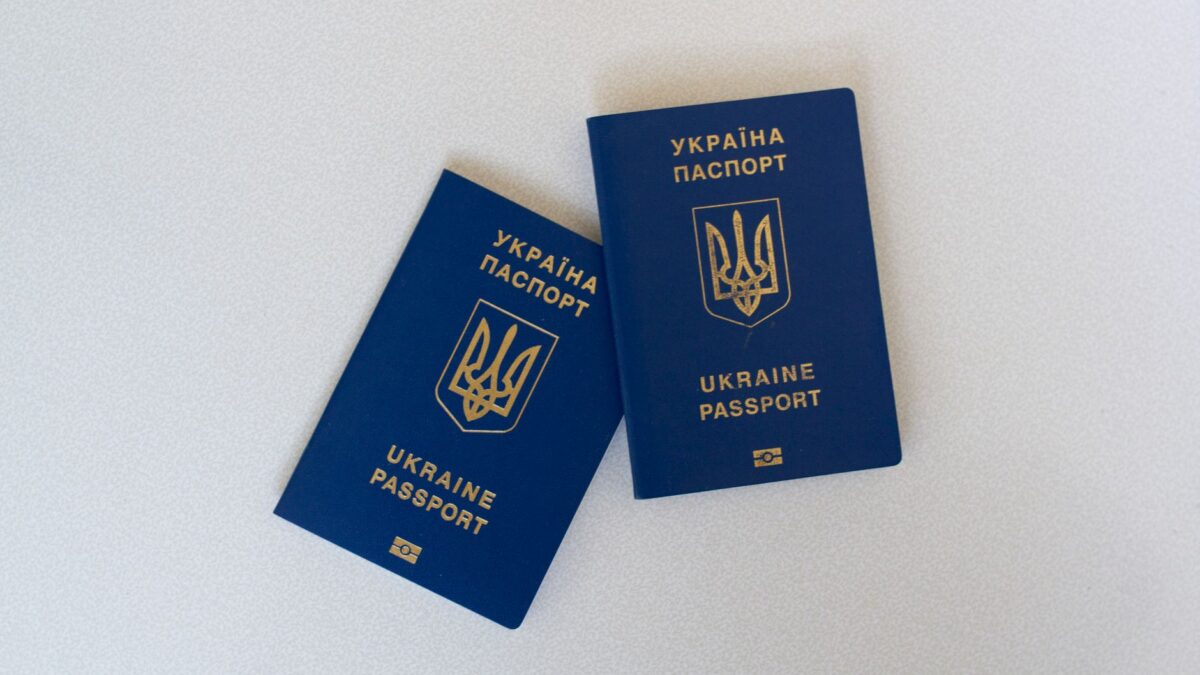
The European Union’s Entry/Exit System (EES) has been fully operational since April 10, 2026, according to Travel And Tour World. It digitally records the border crossings of eligible non-EU visitors, including those from the United States, and is used to track the Schengen limit of 90 days in any rolling 180-day period.
Reported problems with missing exit records have made some travelers appear to have overstayed when they had not. Visitors can check their remaining days with an official EU tool and ask national authorities to correct wrong entries.
What is the EES and who does it cover?
The system replaces reliance on passport stamps with digital records. It stores names, travel-document details, facial images, fingerprints, entry and exit dates, border-crossing locations and refusals of entry. It launched progressively on Oct. 12, 2025.
It applies in 29 European countries: 25 EU member states plus Iceland, Norway, Switzerland and Liechtenstein. It covers eligible non-EU nationals on short stays, including visa-exempt visitors from the United States, the United Kingdom, Canada, Australia, New Zealand, Brazil and Japan, as well as travelers who need a short-stay visa. The European Commission says the system helps authorities identify overstays and detect fraudulent documents.
How does the 90-day rule work?
The limit is 90 days within any rolling 180-day period, counted across the whole Schengen Area rather than per country. The report gives an example: 20 days in Italy, 15 in France, 10 in Spain and 12 in Germany add up to 57 days used, leaving 33, assuming no other stays in the period.
The 180-day window is not a fixed calendar block. Authorities look back 180 days from each day of a proposed stay, so earlier trips can reduce the days available. Ireland and Cyprus are not in the Schengen Area and have their own arrangements.
How can travelers check their remaining days?
The EU runs an online tool that indicates whether a proposed entry is allowed and how many days remain. Users enter the country they are visiting, document type, document number, the three-letter code of the issuing country (such as CAN for Canada) and their arrival or departure dates, depending on whether they are planning or already traveling. The check is also available on equipment at certain external borders, and passport-control officers can be asked.
The tool has limits. It does not include Schengen stays that began before April 10, 2026, whether or not they ended before that date. Until Oct. 6, 2026 inclusive, an “OK” result may be unreliable for some single-entry or double-entry visa holders who used entries between Oct. 12, 2025 and April 9, 2026, because those movements were not yet recorded.
Why do some records show a false overstay?
If an entry is logged but the matching exit is missing, the system may treat the traveler as having stayed continuously. That can make a person look as if they passed 90 days even though they left in time.
Travel And Tour World cites British traveler Paula Pugh, who flew from London Stansted to Reggio Calabria. Italian border officers reportedly saw an apparent overstay and put her on a flight back to Britain. The cause was reportedly an earlier departure that was not registered correctly. Author Jojo Moyes was reportedly questioned in Marseille after a departure from Portugal was missing. Travel journalist Simon Calder has described other similar cases.
What about residence permit holders?
People with a valid Italian residence permit (permesso di soggiorno) or a qualifying long-stay visa are generally exempt from the 90/180-day limit for their authorized residence, and the European Commission confirms this for EU residence permits and long-stay visas. Confusion can arise if they are sent through EES registration. The report says they should show the passport and permit at a staffed border point and ask for a correction if wrongly registered.
What does this mean for visitors with a wrong record?
A traveler who finds an error can contact the national data controller, which may be the country where the wrong data originated or the country of the most recent trip. The report says to confirm current contact arrangements with the Italian Ministry of the Interior before sending personal documents.
A request should describe the error and give the relevant dates. Supporting papers can include a passport copy, boarding passes showing departure from Schengen, flight, ferry or international train tickets, evidence of earlier entries and exits, and a residence permit or long-stay visa copy where it applies. Authorities may ask for more information. The report suggests keeping copies of all correspondence for later border checks.
Readers planning an Italy trip can find more on entry rules in this guide to Italy entry rules for Americans. Official rules and the short-stay calculator are published by the European Commission.
Source: Travel And Tour World