Japan Travel Guide for First-Timers: Routes, Trains and the JR Pass
How to plan a first trip to Japan, from choosing a route to deciding whether a rail pass actually saves money.
A first trip to Japan is easier than many people expect: U.S. citizens need no visa for stays up to 90 days, trains are punctual and well signposted in English, and an IC card on your phone covers most local transit. The main planning decisions are which cities to combine, whether a Japan Rail Pass is worth it after the price changes of 2023 and 2026, and how to budget for lodging, which is usually the biggest cost.
This guide focuses on getting around and planning. For entry rules, see our guide to Japan visa requirements for Americans, and confirm details with official sources such as the Japan National Tourism Organization before you travel.
Planning a first route
Many first-time visitors spend 10 to 14 days on the “Golden Route”: Tokyo, Kyoto and Osaka, sometimes with side trips. A common pattern:
- Tokyo (4–5 days): neighborhoods, museums and day trips such as Nikko or Kamakura.
- Hakone or Mount Fuji area (1–2 days): hot springs and mountain views, weather permitting.
- Kyoto (3–4 days): temples, gardens and day trips to Nara.
- Osaka (2 days): food, nightlife and an easy base for Kansai Airport.
Flying into Tokyo and out of Osaka (an “open-jaw” ticket) avoids backtracking. Pack light or use Japan’s luggage-forwarding services, which deliver suitcases between hotels and airports, usually the next day.
Getting around
IC cards for local travel
Suica, PASMO and other regional IC cards work on trains, subways and buses across most of Japan’s big cities, and in many shops. iPhone users can add a Suica or PASMO to Apple Wallet or use JR East’s Welcome Suica Mobile app. Physical visitor cards with no deposit are also sold. Our article on things to know before traveling to Japan compares the options.
Shinkansen (bullet trains)
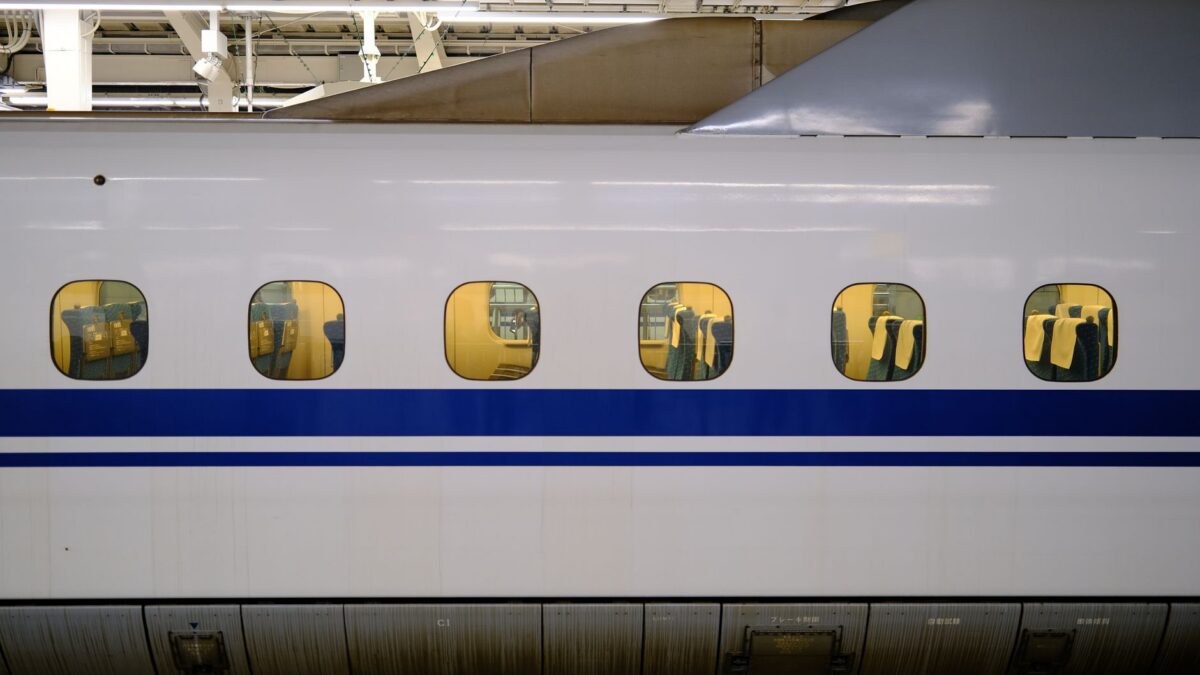
The Shinkansen links Tokyo, Kyoto and Osaka in a few hours. You need a base fare ticket plus a limited express ticket, which ticket machines and the official online booking services sell together. Reserved seats are recommended in peak seasons such as cherry blossom season, Golden Week (late April to early May), Obon in mid-August and the New Year period. Large luggage on the Tokaido Shinkansen requires a seat with an oversized baggage area reserved in advance.
Is the Japan Rail Pass worth it?
The nationwide Japan Rail Pass offers unlimited travel on most JR trains for 7, 14 or 21 days. Its prices rose sharply in October 2023, and JR Group announced another increase from October 1, 2026. As of October 2026, the 7-day Ordinary pass is listed at ¥53,000 when bought through overseas agents, and reports have differed on whether the official JR online site has kept a lower price for now. Check the current price on the official Japan Rail Pass website before buying.
Key points when deciding:
- A simple Tokyo–Kyoto–Osaka trip with a return to Tokyo often costs less with individual tickets than with a 7-day pass.
- The pass tends to make sense for longer, faster-paced itineraries, for example adding Hiroshima, Kanazawa or northern Japan.
- The fastest Nozomi and Mizuho Shinkansen trains are not included in the basic pass price; using them requires an extra ticket.
- Regional JR passes covering areas such as Kansai, Hokuriku or Kyushu can be better value if you stay within one region.
Compare the cost of your actual route using official fare information from the JR companies before you decide.
Where to stay
- Business hotels: compact, clean and well located, often near stations.
- Ryokan: traditional inns, often with dinner and breakfast and shared or private baths. Prices vary widely.
- Apartments and vacation rentals: these must be registered under Japanese law; book through platforms that show a license number.
- Hostels and capsule hotels: budget options, mainly in big cities.
Several cities, including Tokyo and Kyoto, charge accommodation taxes per person per night, which are usually added to your bill.
Budgeting
We do not publish fixed daily budgets because costs depend heavily on season, exchange rates and travel style. Instead, plan around these categories:
| Cost | What drives it | Ways to manage it |
|---|---|---|
| Lodging | Season, city, room size | Book early for spring and autumn; consider business hotels |
| Long-distance trains | Route and number of trips | Compare a rail pass with individual tickets |
| Local transport | Number of rides | IC card; city day passes where offered |
| Food | Restaurant type | Set lunches, convenience stores and department-store food halls |
| Sights | Entry fees and reservations | Many temples and gardens charge modest fees; some sites need advance booking |
| Departure tax | Fixed | ¥3,000 per departure since July 1, 2026, usually in your airfare |
From November 1, 2026, visitors pay consumption tax at the till and claim it back after departure checks, instead of buying tax-free in store.
Money and connectivity
- Credit cards are widely accepted in cities, but carry some cash for small restaurants, shrines and rural areas.
- Convenience-store ATMs generally accept U.S. cards.
- Mobile data is very useful for maps and train times. Our guide to how travel eSIMs work explains what to check on your phone.
When to go
Spring (late March to early April for cherry blossoms in many cities) and autumn foliage season (roughly November in Kyoto) are the most popular and most expensive. Summer is hot and humid, with typhoons possible from late summer into autumn. Winter is cold but clear in Tokyo and good for skiing in the north.
Bottom line
For a first visit, keep the route simple, set up an IC card, and compare a Japan Rail Pass against individual tickets for your exact itinerary, especially after the October 2026 price change. Book lodging early for peak seasons and budget for accommodation taxes and the ¥3,000 departure tax. Confirm entry rules and current prices on official websites before travel.
FAQ
Do I need to speak Japanese?
No. Station signs, ticket machines and many menus in major cities have English, and translation apps help elsewhere.
Can I buy the Japan Rail Pass after arriving?
Yes, the pass has been sold at some major stations in Japan as well as online, though prices and rules can differ by sales channel. Check the official site.
How many days are enough for a first trip?
Ten to fourteen days lets you see Tokyo, Kyoto and Osaka without rushing. A week works if you focus on one or two cities.
Is Japan expensive?
It depends on season and style. Lodging in peak seasons is the main cost; food and local transport can be reasonable.