Tourism Group Urges EU to Let States Pause EES Biometrics
The Tourism Manifesto wants EU states able to suspend EES biometric checks during congestion. WTTC says up to 41 million arrivals could be at risk.

The Tourism Manifesto, an industry group, has asked the European Union to let member states temporarily suspend biometric data collection under the Entry/Exit System (EES) when border conditions require it, according to Travel And Tour World. The group wants the flexibility restored until operational problems at airports are resolved.
Research from the World Travel & Tourism Council (WTTC) estimates that up to 41 million international arrivals and US$45.4 billion in visitor spending could be at risk if long border delays become routine. The outlet notes these are potential losses, not confirmed declines.
What the delays look like at airports
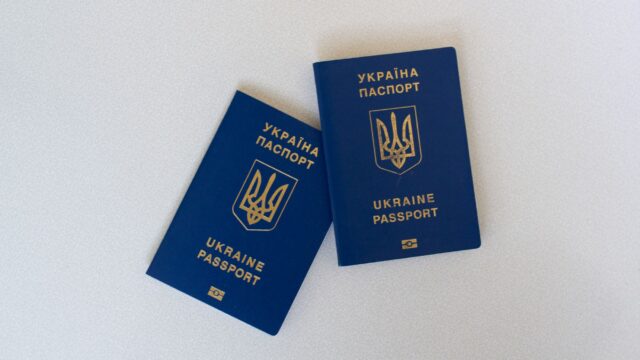
EES replaces passport stamping with digital records and biometric identification for eligible non-EU travelers entering the Schengen Area. It was originally expected to start before the Paris 2024 Olympic Games. By late 2026, several airports were still struggling to process passengers.
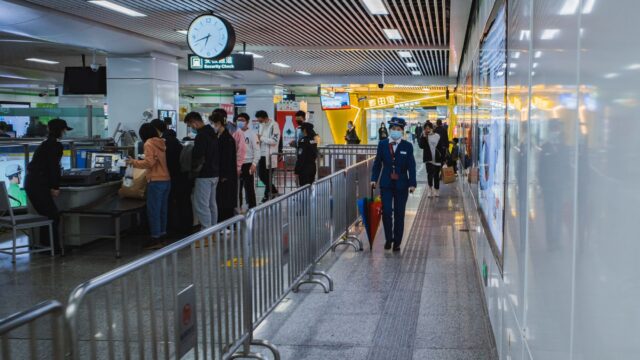
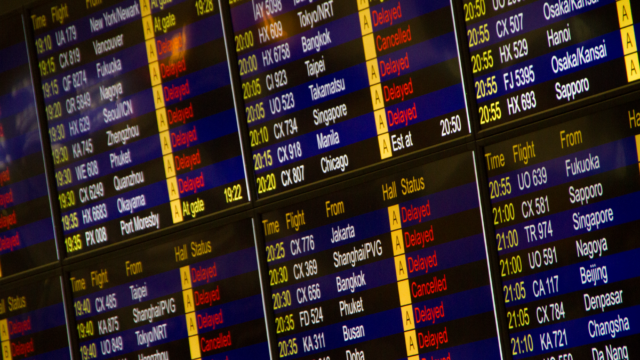
Research involving European airports found significant delays from September 2026, after the period that allowed temporary suspension of biometric collection ended. Some travelers missed connecting flights. At certain airports, passengers reportedly stayed on aircraft because terminals had no room for more arrivals.
The report names several causes: too few staff, limited infrastructure, equipment problems and inconsistent system performance. A pre-registration app meant to speed up border procedures is available in only two member states. Some airports have hired extra staff and trained them to help travelers during long waits. Smaller regional airports, including those on European islands, have less terminal space and fewer border officers than major hubs.
What the WTTC survey found
WTTC research published in June 2026 asked travelers how they view the disruption:
- 87% are willing to accept minor disruption for smoother future travel.
- 55% say their acceptance depends on how long the delays are.
- 63% would consider destinations outside Schengen if delays became regular.
- 33% would be much less likely or unlikely to visit if three-hour queues were possible.
- 39% of UK travelers would be much less likely to visit if excessive queues became common.
Why it matters for travelers
Waiting times at EES borders vary by airport and member state. Passengers with disabilities or reduced mobility may face extra difficulty in crowded terminals. Assisted procedures are generally available, but the report says they differ between airports.
Travelers connecting through Schengen airports face the risk of missed onward flights where queues build. For background on how the system works, see our explainer on the EU Entry/Exit System.
What happens next
Stricter enforcement of biometric collection is expected from January 2027, following an extended informal grace period, according to the report. It says it is unclear whether member states can hire enough staff and install enough equipment in time. The winter holiday season, with Christmas, ski trips and New Year travel, is expected to add pressure on airports.
The European Commission is also proposing a revision of the Schengen Visa Code in early 2027, with more emphasis on facilitating legitimate travel. The report does not say whether the EU has responded to the Tourism Manifesto’s request.
Travelers heading to the Schengen Area can check current EES requirements on the official EU and national border authority websites, and contact their airline or airport in advance if they need accessibility assistance. Those planning an Italy trip can find more in our guide to entry rules for Americans.
Source: Travel And Tour World