Canada Ends Remote Border Crossing Permits After Nov. 30
Canada's CBSA ends the Remote Area Border Crossing Program on Dec. 1. Travelers must report by phone or at staffed ports; 17 new phone sites open.
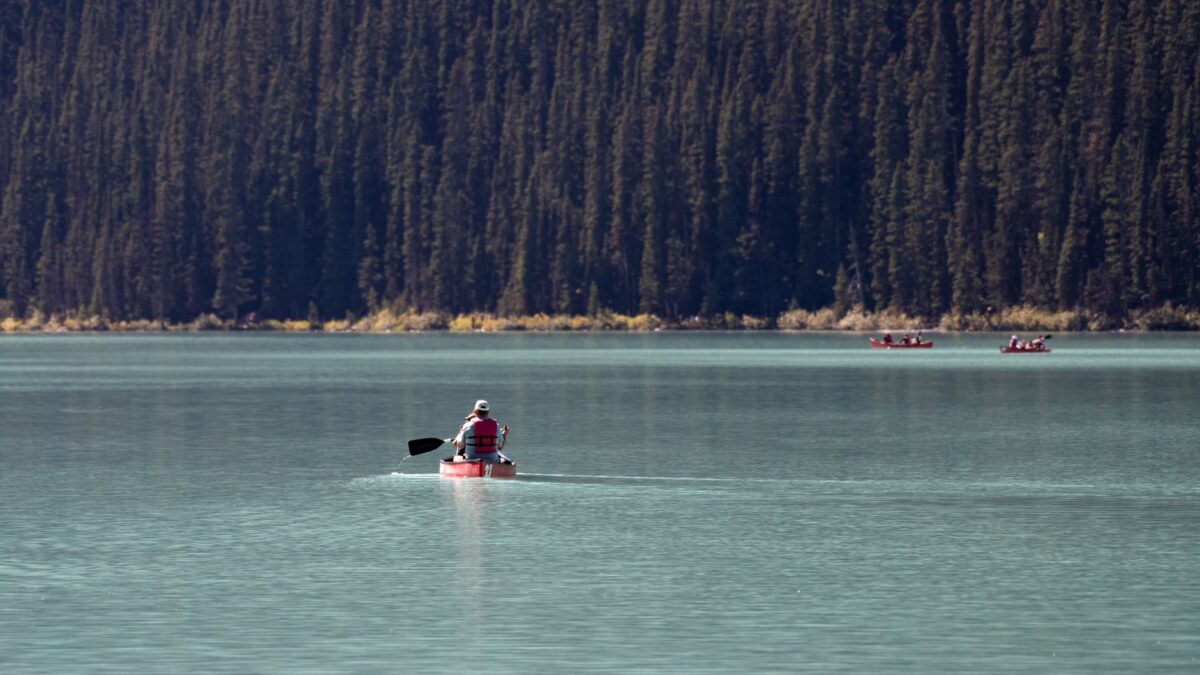
Canada’s Remote Area Border Crossing (RABC) Program ends on Dec. 1. The Canada Border Services Agency (CBSA) says every existing permit becomes invalid at 11:59 p.m. on Nov. 30, 2026. After that, travelers on affected remote routes must report to the CBSA at a staffed port of entry or a designated telephone reporting site whenever Canadian law requires reporting.
According to Travel And Tour World, the change mainly affects remote parts of northern Ontario and southern Manitoba, particularly travelers arriving from Minnesota’s Northwest Angle. The program’s end adds no new nationwide immigration restrictions for U.S. citizens. Airports, highway crossings and other staffed ports of entry keep their existing procedures.
What it means for people who used the permits
The CBSA recorded about 11,000 annual participants in the program, and U.S. citizens made up around 90% of them. Anglers, canoeists, recreational boaters, snowmobile users and seasonal property owners are among those who relied on it. The permit let approved travelers enter designated Canadian areas without presenting themselves at a customs office on each crossing. Canadian immigration law, customs declarations and import restrictions still applied.
From Dec. 1, travelers on those routes report case by case. Former crossing points are not automatically recognized as reporting locations.
How the timeline moved
- September 2024: new applications stopped and a review of remote border clearance began.
- May: a first end date of Sept. 13, 2026 was announced.
- Aug. 10, 2026: the CBSA extended existing permits to 11:59 p.m. on Nov. 30.
- Nov. 25, 2026: the CBSA confirmed the date and announced additional telephone reporting sites.
Five regions and 17 new phone sites
The program covered five areas: the Northwest Angle, Pigeon River through and including Lake of the Woods, the Canadian shore of Lake Superior, the Sault Ste. Marie upper lock system and Cockburn Island. The affected waters include Rainy Lake, Rainy River, Saganaga Lake, Sand Point Lake and Lake of the Woods, along with canoe routes linking Quetico Provincial Park to Minnesota’s Boundary Waters Canoe Area Wilderness.
On Nov. 25 the CBSA announced 17 additional telephone reporting sites, 16 in Ontario and one in Manitoba. They include Prairie Portage Ranger Station, Nestor Falls Government Dock, Rossport Marina, Silver Islet Marina and Northwest Angle Provincial Road 525. More locations will be added to the CBSA Directory of Offices and Services as they become ready. A site’s designation does not by itself mean it is open year-round or for every type of transport.
How telephone reporting works
Marine sites are labeled TRS/M and land sites TRS/L. Qualifying private pleasure craft use the marine sites. Eligible noncommercial passenger vehicles, including snowmobiles, use the land sites. Travelers speak with a border services officer and give identification, citizenship, travel documents, destination, purpose of travel and expected length of stay. Clearance comes only after requirements are met, and officers may ask for further examination.
The CBSA Telephone Reporting Centre number is 1-888-226-7277, with 905-679-2073 as the alternative when the toll-free line cannot be reached. At some land sites, contact with a regional CBSA office may be required instead.
Rules for boaters and winter travelers
Under CBSA Memorandum D2-5-12, telephone reporting covers private pleasure craft carrying no more than 29 people, crew included. Commercial vessels, fishing charters and boats paid to carry passengers or goods are excluded. The operator contacts the CBSA on arrival, and passengers and goods stay aboard until cleared. The reporting number issued afterward must be displayed on the dockside of the vessel and kept for the whole Canadian trip. CBSA or Royal Canadian Mounted Police officers may ask to see it.
Freezing does not change Canadian jurisdiction over international waters, so snowmobile and other land-vehicle travelers on frozen waterways must still report, even if they do not reach the Canadian shore. Passengers remain on their vehicles until cleared, and the number is displayed on the lower windshield where possible. Marine sites used in summer are not automatically winter land crossings, so the TRS/L designation, seasonal access and hours need confirming before departure. NEXUS expedited reporting is not available at TRS/L sites.
Exemptions that remain
Existing statutory exemptions stay. Under changes made by the Conveyance Presentation and Reporting Requirements Modernization Act on June 19, 2017, a recreational vessel that enters Canadian waters directly from the United States and leaves without landing, anchoring, mooring or making disqualifying contact with another conveyance may not need to report. No passengers or goods may be transferred. Recreational fishing is also allowed without ordinary reporting when all conditions are met, though provincial licenses and conservation rules still apply, and restricted or prohibited goods must still be declared.
NEXUS marine reporting continues. Qualifying arrivals normally call the NEXUS Telephone Reporting Centre at 1-866-996-3987 between 30 minutes and four hours before arrival. Travelers should confirm current requirements on the official CBSA website.
Source: Travel And Tour World