European Tourism Groups Seek Pause to EES Checks Over Queues
The European Tourism Manifesto wants EU states to pause EES biometric checks during congestion. Checks still apply to US and other short-stay visitors.
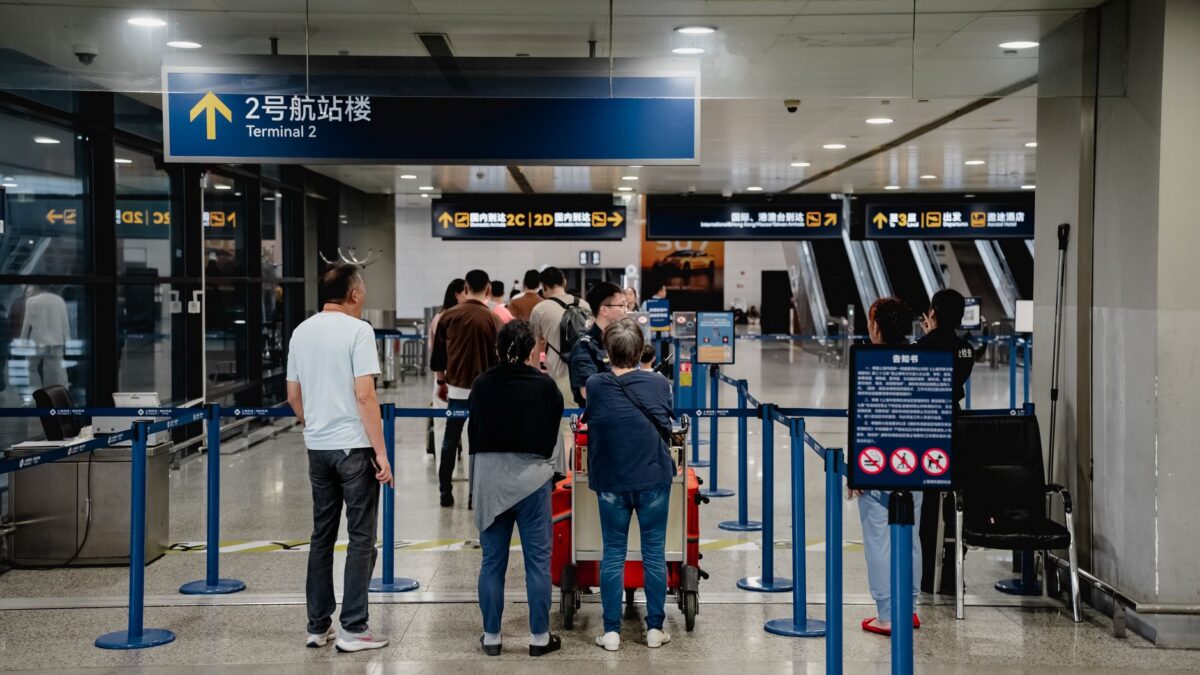
The European Tourism Manifesto, an alliance of more than 80 organisations, renewed calls on Nov. 25 and 26 for national authorities to be allowed to suspend biometric registration temporarily when border queues become exceptional, according to Travel And Tour World. The request is an industry proposal. The EU has not approved a new suspension, so the Entry/Exit System (EES) checks still apply to eligible short-stay visitors, including Americans.
The group says it supports the move to digital border management but wants flexibility for busy periods.
Why are tourism groups asking for a pause?
The appeal follows the end of temporary suspension arrangements in September 2026. Airports and airlines have reported too few border staff and too little capacity for biometric registration and automated processing, the report says. Tourism groups argue that targeted flexibility would let authorities handle peaks without dropping security controls.
How long are the queues?
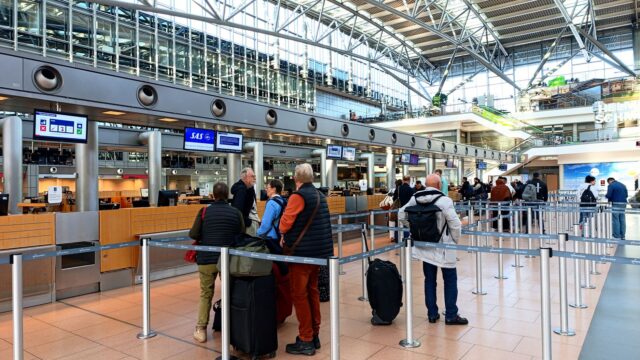
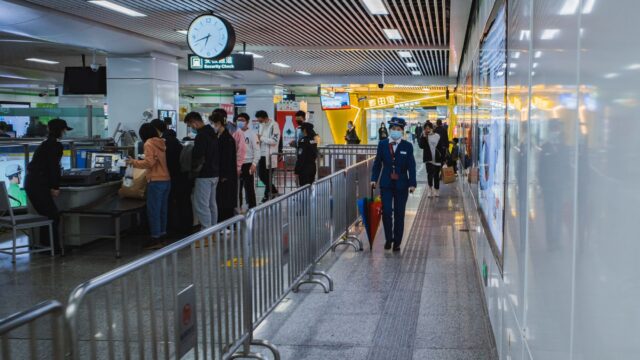
Airports Council International Europe and Airlines for Europe said in a joint statement on Oct. 12 that waits exceeded two hours at some borders, with extreme cases reaching five hours. Those delays can cause missed connections and disrupted transfers. Conditions differ between airports, and the longest waits are not the norm across the Schengen Area.
What do the survey figures show?
Research from the World Travel & Tourism Council, cited by the Manifesto, puts potential losses at 41 million international arrivals and $45.4 billion in visitor spending if delays persist. That is spending at risk, not confirmed losses, and the research does not show that anyone has cancelled a trip.
- 63% of surveyed travelers would consider destinations outside Schengen if delays continue.
- 39% of British travelers would be much less likely to visit if excessive queues became routine.
- 33% would be put off by queues of three hours.
- 87% would put up with minor disruption.
What do official figures say about EES?
The European Commission said in July 2026 that the system had logged more than 145 million entries and exits since its phased start on Oct. 12, 2025. The EU agency eu-LISA publishes quarterly statistics. For October to December 2025 it recorded 8,180 entry refusals and for January to March 2026 it recorded 19,985. The 145 million figure counts border crossings, not individual travelers.
Who has to register?
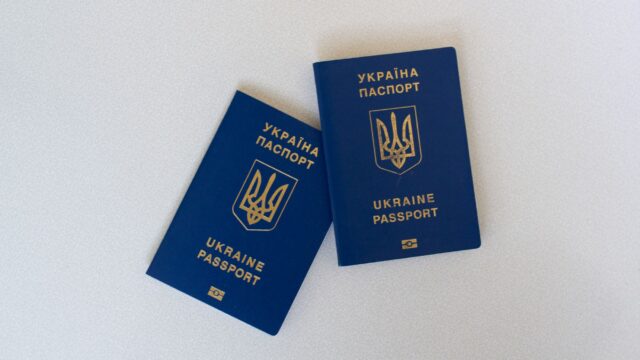
EES operates in 29 European countries: 25 EU members and four non-EU Schengen states. It mainly applies to third-country nationals on short stays, including Americans, Britons, Canadians, Australians and Indians. Ireland and Cyprus do not currently run it. Residence permit holders, long-stay visa holders and citizens of participating countries are generally exempt. Children under 12 are exempt from fingerprinting, though other registration steps may still apply.
What this means for travelers
Until the EU announces a change, biometric registration stays in force, as does the Schengen limit of 90 days in any 180-day period for short stays. Airlines and airports have proposed six fixes, including removing repeated verification steps, preventing duplicate traveler records and adding automated gates. The Manifesto also wants a return to the earlier rules, which allowed partial suspensions of up to six hours. Travelers should check the European Commission’s official EES pages and their departure airport’s guidance before they fly.
Source: Travel And Tour World